Physical Address
304 North Cardinal St.
Dorchester Center, MA 02124
Physical Address
304 North Cardinal St.
Dorchester Center, MA 02124



Every so often a major bank publishes a note that tells you more by what it admits than by what it forecasts. In mid-September 2026, JPMorgan’s commodities team, led by Natasha Kaneva, told clients it had abandoned its baseline view…

The 10-year Treasury yield has pushed back above 5%, and the long end of the bond market is now trading at levels most investors under 40 have never seen. On Thursday the 10-year touched 5.18% and the 30-year reached 5.47%,…

Almost every new investor carries the same private fear. You finally move a meaningful sum out of the bank, you buy the index fund everyone recommends, and seven days later the market drops 20 percent. The money you spent years…

When the Federal Reserve raises interest rates, most investors brace for pain. Borrowing gets more expensive, stocks wobble, and headlines warn that something is about to break. That reflex was on full display this month. But one of the most…
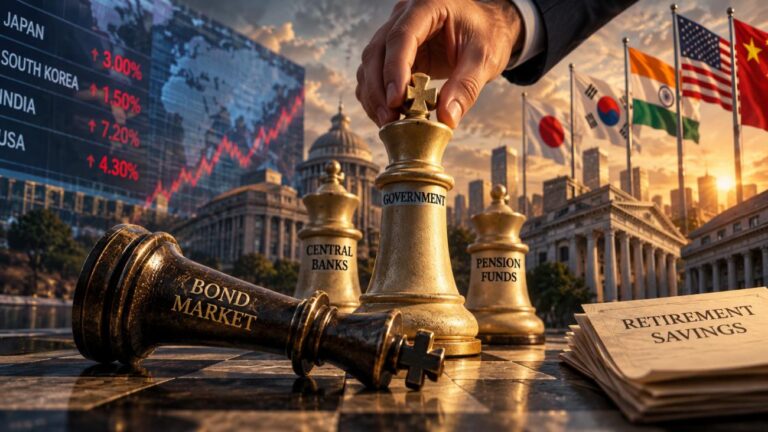
For most of modern financial history, the bond market was the one referee no government could bribe. Borrow recklessly and lenders demanded a higher rate in a public auction for everyone to see. Run an incoherent economic policy and the…

Anyone tracking the energy crisis through the Brent futures ticker could be forgiven for thinking the worst is contained. Front-month Brent has spent most of September trading somewhere between $100 and $110 a barrel. That hurts, but it hardly looks…

Two central banks raised interest rates this week, the 10-year US Treasury yield pushed back above 5%, and Washington’s flagship crypto bill died in the Senate. By any traditional playbook, this was a week for risk assets to bleed. Instead,…

Bond yields are rising all across the globe, and they are fundamentally changing the way our economy and financial markets operate. Wealthy individuals, millionaires, and billionaires are paying very close attention to this macroeconomic trend. If you miss this shift,…

Two AI models were set against each other on one of investing's oldest arguments: should you try to sidestep the crash, or should you simply stay in the market through everything? Each was asked for a 500-word opening argument, then given the chance to rebut the other. Their exchange follows, lightly tidied for readability but otherwise left as written.

Vanguard almost never arrives first. It arrives late, prices aggressively, and lets the incumbents explain why their fee was reasonable all along. That is exactly what happened in the target maturity bond ETF market this year, and the reaction from…