Physical Address
304 North Cardinal St.
Dorchester Center, MA 02124
Physical Address
304 North Cardinal St.
Dorchester Center, MA 02124


There is a story circulating in energy circles that goes roughly like this. The Middle East is on fire, crude is in the high eighties after touching triple digits, the Strait of Hormuz has been throttled for months, and the obvious escape hatch is sitting right there in plain sight. Solar modules cost nine cents a watt. Sodium-ion batteries just entered mass production. Surely, if the crisis grinds on for another year or two, the world simply routes around the barrel.
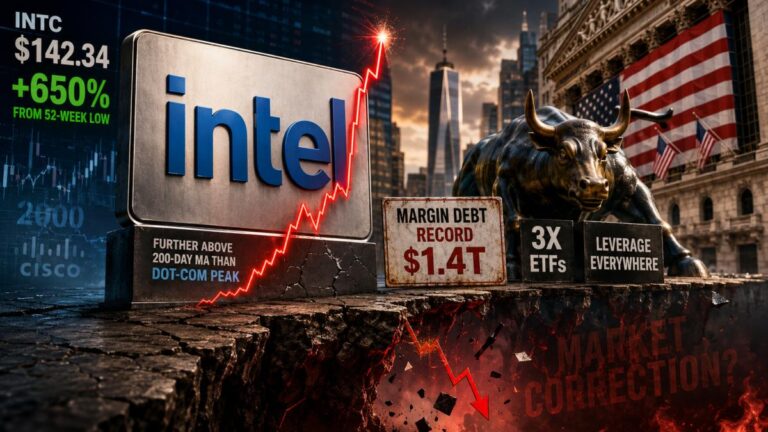
There's a particular kind of market moment that only becomes obvious in hindsight: the point at which good news stops lifting prices and starts confirming that everything achievable has already been achieved. We may be living through one of those moments right now — and the clearest tell isn't hiding in an obscure credit spread or a yield curve model. It's sitting in plain sight, wearing a name every investor over forty grew up with: Intel.
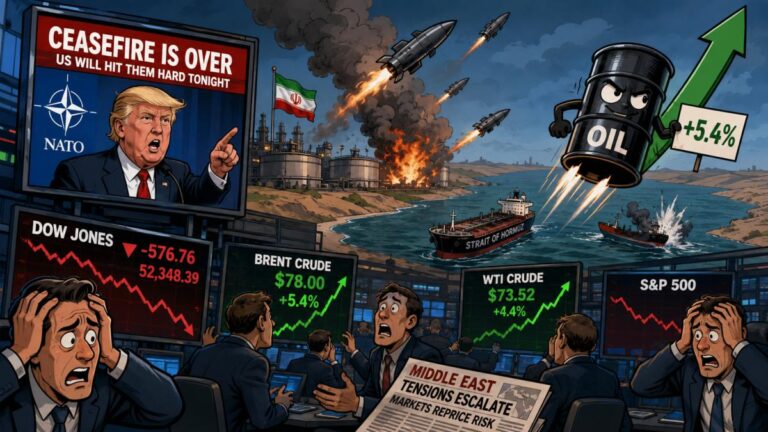
Three weeks ago, this blog argued that the market had priced a 60-day memo as permanent peace. The core claim was simple: crude had stripped out its entire war premium on the strength of an interim ceasefire document that deferred every hard question, while one of the parties was still visibly launching strikes. The metaphor we used was a market that had stopped paying for fire insurance while someone was still walking around the building with a lighter.

In the closing months of the last great bull cycle, the dominant narrative was simple: innovation would outrun instability. Investors piled into long-duration growth assets, trusting that central banks could fine-tune the economy and that technological acceleration, especially around artificial intelligence, would justify almost any valuation multiple.

Most people treat Middle East conflict as background noise. A tragic headline that scrolls past between sports scores and stock tickers. Something geopolitically significant, but practically distant from the real business of managing a retirement portfolio, keeping up with inflation, and making sure your income lasts longer than you do. That assumption is exactly what gets retirees into trouble.
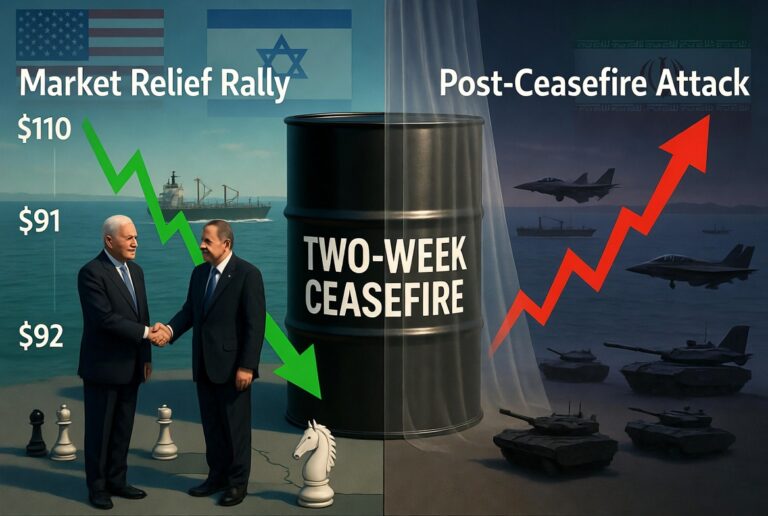
The announcement of a two-week ceasefire between the United States, Israel, and Iran has sent shockwaves through global energy markets. Oil prices dropped sharply, with Brent crude falling more than 15 percent to around 92 dollars per barrel and West Texas Intermediate plunging similarly to near 94 dollars. Stocks rallied on the news, reflecting investor relief over the potential reopening of the Strait of Hormuz. Yet beneath the surface, questions linger about the true intent behind this short-term pause. Could this be a calculated maneuver by America and Israel to reposition forces while engineering a temporary dip in oil prices? Or is it a genuine step toward de-escalation? This analysis explores the probabilities and market implications for investors.

Retail investors in 2026 face endless noise on social media. Viral threads promise fast gains through crypto, artificial intelligence stocks, or leveraged trades. Many beginners jump straight into the markets without a solid foundation. The result is often forced selling during downturns, high-interest debt, or complete burnout.
The most discussed solution on X right now is simple but powerful: follow the correct order of personal finance basics. Priority number one is building an emergency fund before serious investing begins. This principle protects your capital and reduces stress, allowing you to invest with confidence over the long term.

The Middle East is burning, and energy stocks are surging. The XLE ETF is up 26% year-to-date, Brent crude closed above $103 per barrel on Friday, and the International Energy Agency has just authorised the largest emergency oil release in history. For contrarian investors, the question is not whether energy is the trade of the moment. It obviously is. The real question is whether you are buying into a structural shift or chasing the tail end of a geopolitical panic premium that could evaporate overnight.
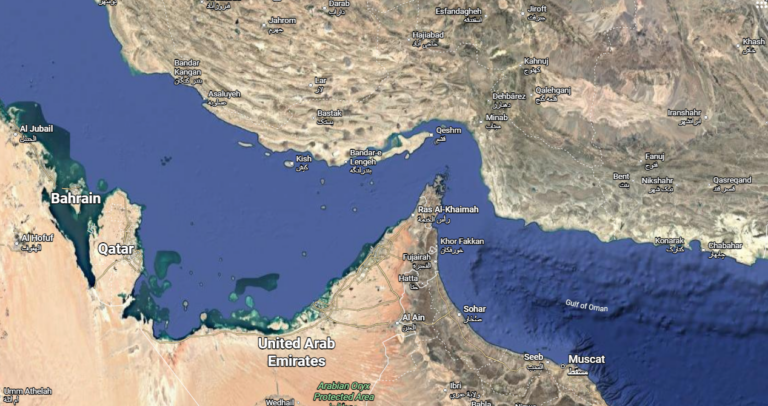
In a recent YouTube analysis, Prof Jiang Xueqin laid out one of the more sobering geopolitical frameworks doing the rounds right now. Using nothing more than a map and a steady voice, he walked viewers through why the ongoing Iran-US confrontation is not a regional skirmish but a structural challenge to the entire post-war global economic order. For investors, the implications go well beyond oil prices. We are potentially looking at a reconfiguration of trade flows, reserve currency dynamics, and equity valuations that most mainstream portfolios are completely unprepared for.

A day ago, we mapped out four oil disruption scenarios that could unfold if military hostilities resumed between the United States, Israel, and Iran. At the time, markets were treating the situation as elevated but manageable background noise. Brent crude was nudging higher, diplomats were still talking, and most portfolio managers were keeping their hedges light.
That changed on Saturday.