Physical Address
304 North Cardinal St.
Dorchester Center, MA 02124
Physical Address
304 North Cardinal St.
Dorchester Center, MA 02124

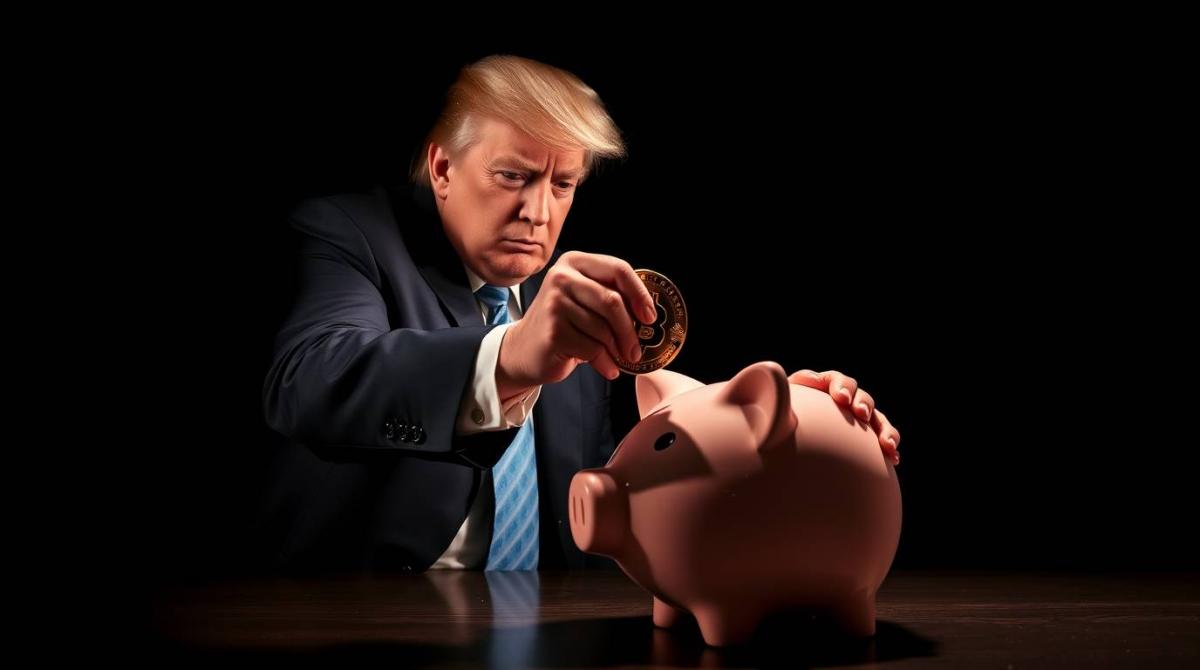
The conversation around retirement plans in the United States has always been a subject of intense debate among policymakers, financial experts, and everyday working individuals. Recently, the spotlight has turned to a controversial yet intriguing development: former President Donald Trump’s supportive stance on allowing cryptocurrency and other private assets to be included in 401(k) plans. In today’s blog post, we will discuss how this stance could reshape the retirement landscape, explore potential benefits and risks, and look at what industry experts are saying.
The conversation around retirement plans in the United States has always been a subject of intense debate among policymakers, financial experts, and everyday working individuals. Recently, the spotlight has turned to a controversial yet intriguing development: former President Donald Trump’s supportive stance on allowing cryptocurrency and other private assets to be included in 401(k) plans. In today’s blog post, we will discuss how this stance could reshape the retirement landscape, explore potential benefits and risks, and look at what industry experts are saying.
For decades, most 401(k) plans have restricted investors to traditional market assets such as stocks, bonds, and mutual funds. However, with the rise of digital currencies like Bitcoin and Ethereum, some policymakers and finance gurus have questioned whether these assets could play a legitimate role in a retirement portfolio. Trump’s position, as reported by Bloomberg, opens the door for private assets to become more normalized in retirement accounts. This potentially includes private equity, hedge funds, and—most notably—cryptocurrency.
Proponents of this shift argue that the move is long overdue. They point to the fact that crypto has made its mark as a potent store of value and an increasingly recognized investment class. By extending these investment options to 401(k) plans, retirees may have more freedom to diversify their portfolios beyond public markets. According to some experts, this could lead to improved risk management, provided participants thoroughly understand the assets they are dealing with.
Trump’s endorsement of crypto-friendly policies for 401(k) accounts is significant for several reasons. Firstly, as a high-profile political figure, his public support amplifies attention on cryptocurrency in retirement planning. Secondly, this stance aligns with an emerging trend where major financial institutions—such as Fidelity—have begun offering Bitcoin options to their 401(k) clients.
Regulatory clarity is often critical for mainstream acceptance. Trump’s backing could prompt policymakers to give more earnest consideration to legal and regulatory frameworks that would allow or encourage crypto investment through workplace retirement plans. This, in turn, could lead to:
Investing in cryptocurrencies is not just a perk for tech enthusiasts. Here are some of the primary benefits supporters highlight when discussing crypto and private assets in 401(k) plans:
Though these advantages can be appealing, it’s crucial to remember that investing in emerging markets—particularly cryptocurrencies—comes with unique challenges. Immediate adoption by everyday investors should be balanced with education, research, and professional advice.
While the idea of investing in crypto or private assets through a 401(k) is certainly gaining interest, it’s not without controversy or potential pitfalls. Below are some of the main concerns experts often cite:
If you are considering allocating a portion of your 401(k) to crypto or other less traditional assets, you should recognize that with higher risk comes the potential for higher reward—but also the potential for more significant losses. Consulting a financial advisor who understands both retirement planning and digital assets might be a wise move.
As with any evolving investment space, education plays a crucial role. Informed investors are often better equipped to make sound decisions. While Trump’s support may increase awareness and adoption, it does not eliminate the need for reliable information.
401(k) plan sponsors and administrators should consider offering educational materials, webinars, or expert consultations to help participants make informed decisions. It’s essential that employees understand how digital currencies are traded, how market volatility can be managed, and what security measures must be in place.
Adequate resources from plan administrators can mitigate some of the apprehensions that employees might have. By fostering a culture of investor awareness, companies could potentially enhance employee engagement in retirement planning overall.
Major financial institutions keep an eye on market trends and regulatory climate. As one example, Fidelity Investments announced a plan that would allow Bitcoin investments in retirement accounts. This approach was seen as a landmark move within mainstream finance.
Beyond Fidelity, several fintech startups and established firms are accelerating their crypto offerings with hopes of tapping into the growing interest. While not all of them directly link these offerings to 401(k) plans, the momentum signals a broader shift toward acknowledging digital assets as part of a modern investment portfolio.
If mainstream adoption of crypto and private assets in retirement plans grows, traditional financial markets could experience indirect effects. For starters, more liquidity might flow into digital asset markets, potentially stabilizing price fluctuations while drawing interest from large-scale institutional players.
On the other hand, organizations heavily reliant on conventional asset management might face increased competition. This can encourage innovation, push down fees, and drive the development of new financial products that cater to modern investors’ evolving tastes.
Time will tell, however, how regulators, plan sponsors, and participants will respond to these shifts. Each stakeholder has a unique perspective, and reconciling them in a coherent policy framework remains an evolving challenge.
Trump’s outspoken stance is just one perspective in a diverse political arena. Other legislators and influencers have voiced support for expanding the variety of assets allowed in retirement savings accounts, while many caution that private assets, especially crypto, may be too volatile or under-regulated for widespread adoption.
With each passing day, more lawmakers weigh in on whether the government should facilitate or restrict crypto within 401(k) plans. Developments could include:
The next few years are likely to be pivotal, with state and federal agencies monitoring whether such programs can strike the right balance between investor protection and market freedom.
If you have a 401(k) or plan to open one soon, Trump’s support for including crypto and private assets could open new doors. However, increased options also necessitate thorough decision-making. Before committing a portion of your retirement funds to these assets, consider the following steps:
One guiding principle remains: a retirement plan is often the cornerstone of long-term financial security. Any inclusion of emerging or high-risk assets should be approached with caution, strategy, and a deep understanding of the market’s mechanics.
For further reading on the unfolding landscape of crypto in retirement accounts, you may consult this article from Forbes, which also examines the regulatory changes and market implications.
Trump’s endorsement of cryptocurrency and private assets in 401(k) plans underscores a broader transformation in how Americans think about retirement investing. While this development could provide greater financial freedom and diversification, it also introduces new complexities. As lawmakers debate regulations and financial institutions launch new products, 401(k) participants should pay close attention, educate themselves, and make strategic decisions that align with their retirement goals.
Whether you view cryptocurrency as a groundbreaking innovation or a volatile gamble, it’s abundantly clear that digital assets are evolving from niche investments to mainstream considerations. If nothing else, the fact that a former U.S. president supports such inclusion indicates that the financial ecosystem is changing—prompting us all to stay informed, stay vigilant, and, above all, stay prepared.