Physical Address
304 North Cardinal St.
Dorchester Center, MA 02124
Physical Address
304 North Cardinal St.
Dorchester Center, MA 02124

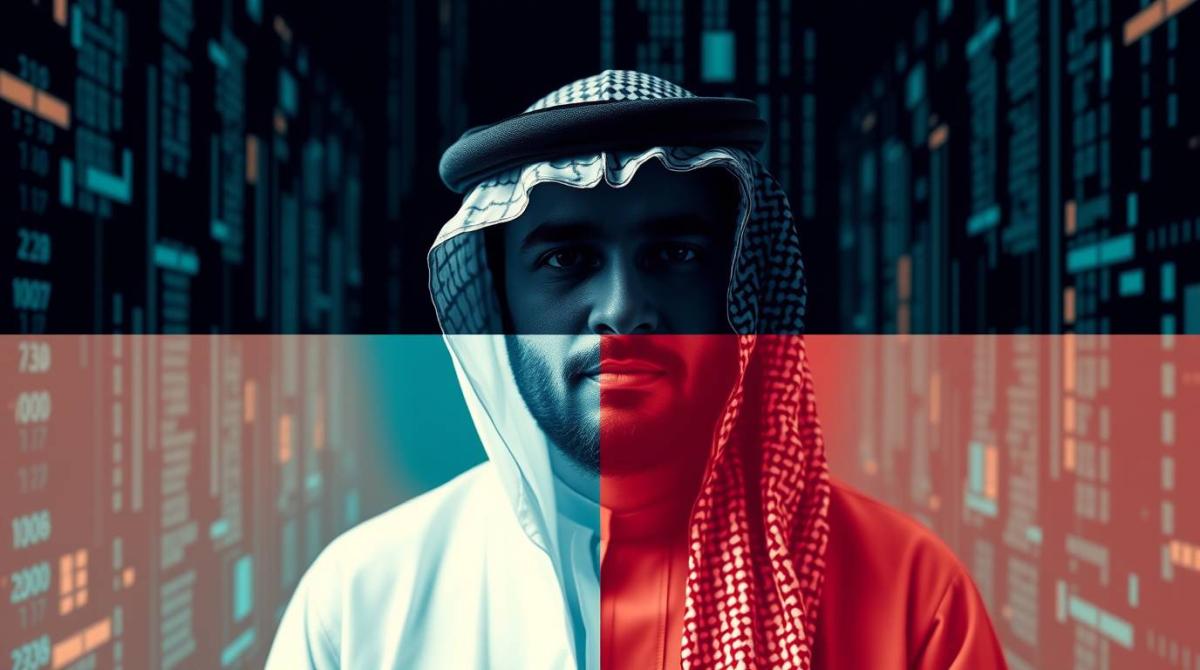
Pakistan is taking an innovative approach to addressing its growing energy challenges by turning to two increasingly significant technological phenomena: Bitcoin mining and Artificial Intelligence (AI). Leveraging surplus electricity for these ventures has the potential to generate new revenue streams, promote technological innovation, and make better use of existing infrastructure. In this blog post, we will delve into how Pakistan’s decision to pursue Bitcoin mining and AI data centers could have far-reaching implications for the country’s economy, workforce, and global standing.
Pakistan is taking an innovative approach to addressing its growing energy challenges by turning to two increasingly significant technological phenomena: Bitcoin mining and Artificial Intelligence (AI). Leveraging surplus electricity for these ventures has the potential to generate new revenue streams, promote technological innovation, and make better use of existing infrastructure. In this blog post, we will delve into how Pakistan’s decision to pursue Bitcoin mining and AI data centers could have far-reaching implications for the country’s economy, workforce, and global standing.
For years, Pakistan has grappled with an energy conundrum: it struggles with frequent power shortages in certain regions, yet there remains an underutilized surplus in others. This mismatch creates an opportunity to channel unused electricity into ventures that not only consume power but also create sustainable economic benefits.
Although the power sector has seen improvements through the addition of more electricity-generation capacity, transmission limitations and distribution inefficiencies still hamper equitable energy usage across Pakistan. These factors leave pockets of surplus electricity in specific areas, which the government hopes to tap into through high-energy consumption technology projects like Bitcoin mining and AI data centers.
Bitcoin mining is the process by which new bitcoins are introduced into circulation. It relies on computer networks solving complex algorithms, a process that demands a considerable amount of computing power. Consequently, mining rigs require significant amounts of electricity to operate effectively. By leveraging surplus electricity in regions where demand is low, Pakistan aims to:
In parallel with Bitcoin mining, Pakistan is taking strides to establish AI-focused data centers that can harness the same surplus energy. The need for high computational power in AI research, machine learning, and data processing warrants robust infrastructure and a reliable energy supply. By constructing AI data centers in regions where electricity is plentiful, Pakistan stands to gain:
By venturing into Bitcoin mining and AI data processing, Pakistan creates fresh economic opportunities. This dual-approach strategy can lead to:
Regulation stands as a critical factor in determining the feasibility and sustainability of Bitcoin mining and AI endeavors. Cryptocurrencies in particular have faced varying levels of scrutiny worldwide, due to concerns about money laundering, market volatility, and consumer protection. To address these issues, the Pakistani government must work through:
While the potential benefits are exciting, several challenges exist that must be addressed to ensure the initiatives’ long-term success:
To effectively utilize surplus power, the government can collaborate with private sector entities that have expertise in cryptocurrency mining and AI. Public-private partnerships can mitigate risks by spreading them across stakeholders, while also providing shared benefits such as:
By embracing Bitcoin mining and AI data centers, Pakistan is positioning itself at the forefront of a tech-centric future. This strategy signifies the government’s broader ambitions to modernize the country’s infrastructure, develop a globally competitive economy, and harness emerging technologies that can shape the next era of global commerce.
AI research has transformative potential in fields such as healthcare, transportation, and governance. Similarly, Bitcoin mining can generate valuable revenue streams and open doors to broader blockchain adoption, leading to more transparent and efficient systems of record-keeping and transactions. With the right regulatory environment and sustained investments in technology education, Pakistan could become a regional hotspot for both cryptocurrency and AI innovation.
Pakistan’s move is part of a broader global trend. Several countries with excess energy—especially those with renewable sources or specific periods of oversupply—have begun examining crypto mining and AI solutions. For instance, Iceland harnesses geothermal and hydroelectric power for cryptocurrency mining, while countries like Canada are exploring AI-driven data processing tailored to surplus electricity availability.
By watching and learning from these regions, Pakistan can adopt best practices, tailor regulatory policies, and integrate environmentally friendly measures to ensure a sustainable future for both its cryptocurrency and AI plans. For additional insights, you can check out similar examples in the United States that leverage stranded energy for crypto mining:
Oil field Bitcoin mining case study.
Pakistan’s decision to transform its surplus power into profitable technology ventures could mark a significant milestone in its path toward economic modernization. By capitalizing on Bitcoin mining and establishing AI data centers, the country’s policymakers aim to assert Pakistan’s position on the global technology map. This forward-looking approach could catalyze the emergence of jobs, the infusion of foreign investment, and the development of a more competitive tech sector.
However, for these initiatives to fully thrive, sufficient regulatory frameworks and strong public-private alliances are crucial. Policymakers need to create a stable environment in which blockchain and AI can flourish, while also addressing concerns around market volatility, infrastructure, and skills development. If the government and private players triumph in these areas, Pakistan stands to benefit significantly in both fiscal and social measures.
The world will be watching closely to see how Pakistan navigates these novel opportunities. Should the government succeed in creating a progressive, well-regulated environment for Bitcoin mining and AI advancements, it could blaze a trail that other emerging economies might follow. In the end, this innovative surge in technology deployment could bridge existing gaps, enhance data processing capabilities, and put Pakistan in a prime position to harness the full power of tomorrow’s digital age.
For further reading on this development and ongoing discussions, you can explore the initial report from Reuters:
Pakistan Turns to Bitcoin Miners and AI Data Centers.
With a visionary approach, strategic planning, and a commitment to building the necessary infrastructure and skill sets, Pakistan’s path to harnessing surplus energy for next-generation technologies could become a vital cornerstone of its future growth and global standing. By embracing this bold initiative, the nation paves the way for a more diversified and resilient economy, ensuring that its technological evolution continues for decades to come.