Physical Address
304 North Cardinal St.
Dorchester Center, MA 02124
Physical Address
304 North Cardinal St.
Dorchester Center, MA 02124


For the better part of eight decades, a quiet arrangement underpinned global stability. The United States provided the security umbrella. Allies sheltered beneath it, built export-driven economies, kept defence budgets lean, and grew wealthy. It was, by historical standards, an extraordinary deal. That deal is fraying. Not all at once, not dramatically, but structurally and irreversibly. The signals are everywhere: transactional diplomacy, tariff aggression directed at allies, wavering commitments to NATO Article 5, and a domestic political mood that views overseas obligations as subsidies to freeloaders. Whether one reads this as strategic repositioning or imperial fatigue, the consequence for Washington's vassal states is identical. They must now think for themselves.
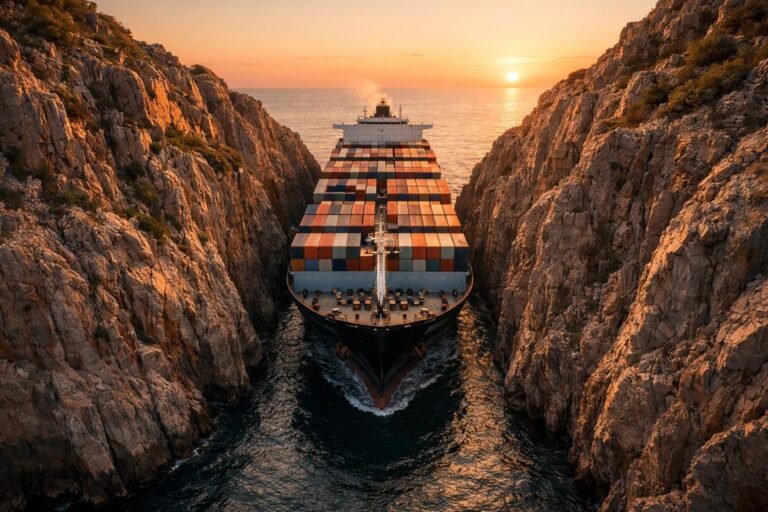
There is an old thought experiment in risk management called the single point of failure. Engineers obsess over it. Investors should too. The idea is simple: a system that depends on one node to function is not a system at all. It is a trap waiting to spring. Right now, the global food system has a single point of failure. It is 21 kilometres wide. It sits between Iran and Oman. And the entity currently deciding who passes through it is not a multinational institution, a trade body, or a neutral arbitrator. It is a nation that has been bombed for weeks and has every incentive to make the world feel the cost.
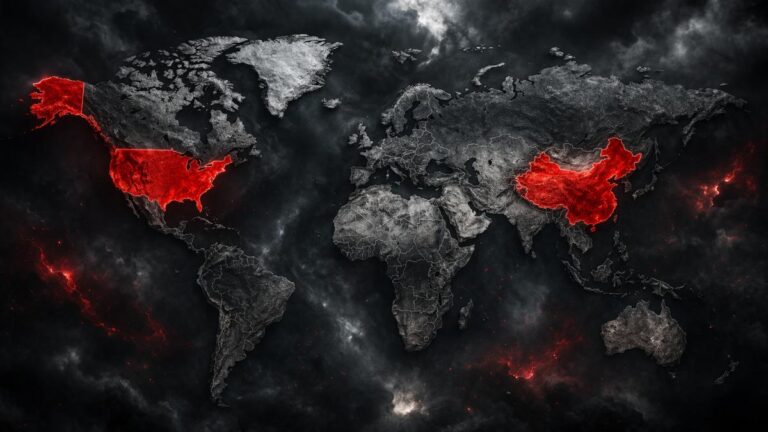
The world is watching what looks like an energy crisis unfold. Emergency meetings across Europe and Asia. Oil prices surging past $100 a barrel. Shipping lanes choked off by military conflict. And all of it traces back to one narrow strip of water between Iran and Oman that handles roughly 20% of global petroleum liquids consumption every single day. The Strait of Hormuz is the single most important energy chokepoint on the planet. But the story most people are telling about it is incomplete. Because what is happening in the strait right now is not simply a supply disruption. It is an asymmetric geopolitical event, and understanding who it hurts versus who it helps changes the entire picture.
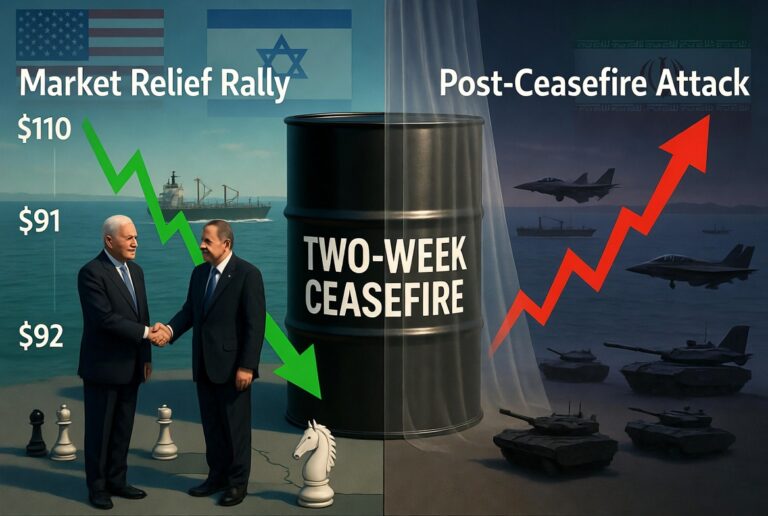
The announcement of a two-week ceasefire between the United States, Israel, and Iran has sent shockwaves through global energy markets. Oil prices dropped sharply, with Brent crude falling more than 15 percent to around 92 dollars per barrel and West Texas Intermediate plunging similarly to near 94 dollars. Stocks rallied on the news, reflecting investor relief over the potential reopening of the Strait of Hormuz. Yet beneath the surface, questions linger about the true intent behind this short-term pause. Could this be a calculated maneuver by America and Israel to reposition forces while engineering a temporary dip in oil prices? Or is it a genuine step toward de-escalation? This analysis explores the probabilities and market implications for investors.

The headlines keep telling you to expect higher food prices. That framing is doing a lot of quiet work. It keeps you calm. It keeps you passive. It positions a supply shock of historic proportions as a minor inconvenience rather than the structural rupture it actually is. This is not a food prices story. This is a harvest story. And the harvest window is already closing.

Retail investors in 2026 navigate volatile markets and constant social media noise about quick gains in stocks, crypto, or artificial intelligence plays. Amid this hype, practical retirement planning advice gains strong traction on X. Threads repeatedly stress maximising employer 401k matches, funding Roth IRAs early, and building retirement accounts before chasing speculative investments.

Retail investors in 2026 face relentless temptation from social media. Viral posts…

Retail investors in 2026 stand at the edge of a major shift. Artificial intelligence agents are moving from experimental tools to autonomous economic actors capable of transacting, earning, and managing assets without constant human oversight. Coinbase CEO Brian Armstrong made this explicit in March 2026, stating that AI agents will soon conduct more online transactions than humans. Traditional banks cannot serve these agents due to strict identity requirements, but crypto wallets face no such barriers.

Retail investors in 2026 face endless noise on social media. Viral threads promise fast gains through crypto, artificial intelligence stocks, or leveraged trades. Many beginners jump straight into the markets without a solid foundation. The result is often forced selling during downturns, high-interest debt, or complete burnout.
The most discussed solution on X right now is simple but powerful: follow the correct order of personal finance basics. Priority number one is building an emergency fund before serious investing begins. This principle protects your capital and reduces stress, allowing you to invest with confidence over the long term.
There is a feeling that repeats itself in markets. It is not panic, exactly. It is something quieter and more insidious. It is the feeling that buying anything right now would be stupid, that only a fool would step in front of a moving train, and that patience means waiting until things are obviously better before committing capital.