Physical Address
304 North Cardinal St.
Dorchester Center, MA 02124
Physical Address
304 North Cardinal St.
Dorchester Center, MA 02124


In October 2024, we explored the untapped potential of psychedelic stocks in mental health treatment, laying out the case for a sector that was just beginning to mature. Eighteen months later, the landscape has been reshaped by a devastating FDA rejection, a wave of corporate consolidation, and a series of clinical breakthroughs that have quietly repositioned the survivors as some of the most asymmetric opportunities in biotech.
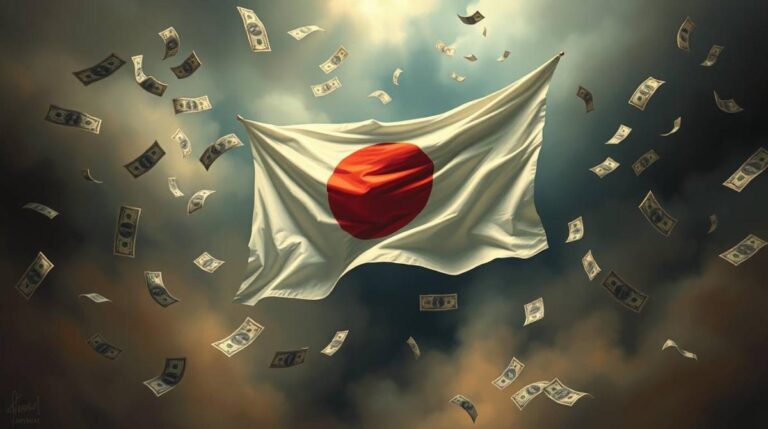
Most financial coverage of the current Middle East crisis stops at the oil price. Commentators argue about the Strait of Hormuz, model scenarios involving $15-a-gallon gasoline, and then move on. But there is a much larger chain reaction already in motion, one that connects Gulf desalination infrastructure, Japanese fiscal fragility, and $1.2 trillion in US Treasury bonds into a single slow-moving detonation. If you are an investor, a retiree, or anyone with a 401(k), this is the thread you need to follow.

There is a particular kind of groupthink that masquerades as contrarian thinking. It goes like this: while the panicked retail crowd dumps stocks and hoards oil futures, the savvy investor quietly loads up on beaten-down tech names and waits for the inevitable reversal. It sounds bold. It feels independent. And right now, it is the single most crowded intellectual position in financial media.
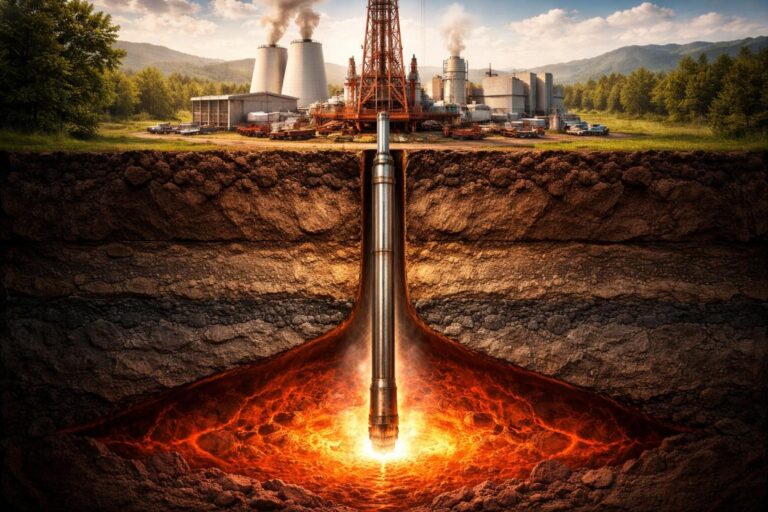
Most people still think of geothermal energy as something that works in Iceland and nowhere else. Hot springs, geysers, maybe a novelty power plant in California. That perception is about to be demolished. A new generation of companies led by oil and gas veterans is taking the most advanced drilling technology ever developed and pointing it at the largest energy resource on the planet: the heat beneath our feet.
The joint U.S.-Israeli strikes on Iran that began on February 28, 2026, have triggered what the International Energy Agency is now calling the largest supply disruption in the history of the global oil market. The Strait of Hormuz, through which roughly 20% of the world's crude oil and a fifth of global LNG trade normally flows, has been reduced to a trickle. Brent crude has surged past $100 a barrel. Fertiliser prices have spiked 35%. Emergency oil reserves have been tapped at unprecedented scale. And gold has punched through $5,000 per ounce.

There is a divergence playing out right now in global financial markets that should be keeping every retail investor awake at night. On one side, the least experienced participants are pouring record amounts of capital into US equities, chasing a bull market narrative that has been running for years and refusing to acknowledge the cracks forming beneath it. On the other side, the people who built those markets, who understand how leverage unwinds and how credit cycles end, are quietly heading for the exits.

The line between financial markets and information platforms is dissolving faster than most investors realize. What started as a niche blockchain experiment for political junkies has quietly become one of the most watched data feeds on Wall Street. Polymarket, the blockchain-based prediction market platform, processed over $22 billion in notional trading volume throughout 2025 alone, and the parent company of the New York Stock Exchange has placed a $2 billion bet that this is only the beginning.
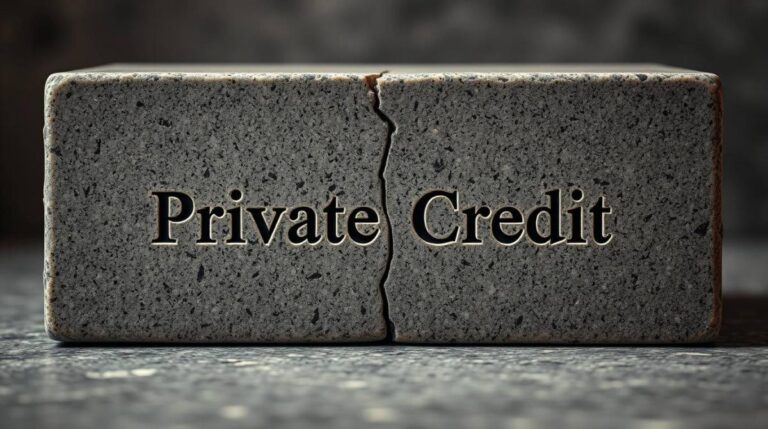
The stocks of the world's largest alternative asset managers have spent much of early 2026 in freefall. Blackstone, KKR, Apollo, Ares, Carlyle, and Blue Owl have each lost between 12% and 31% since the year began. For an industry that spent the past decade presenting itself as the sophisticated investor's answer to a low-yield world, the optics are brutal. But for the contrarian investor paying attention, this is not a surprise. It is a reckoning that was baked into the model all along.
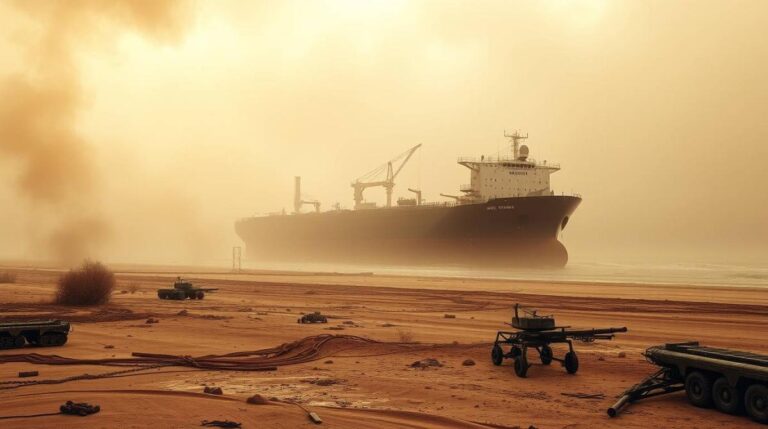
The Middle East is burning, and energy stocks are surging. The XLE ETF is up 26% year-to-date, Brent crude closed above $103 per barrel on Friday, and the International Energy Agency has just authorised the largest emergency oil release in history. For contrarian investors, the question is not whether energy is the trade of the moment. It obviously is. The real question is whether you are buying into a structural shift or chasing the tail end of a geopolitical panic premium that could evaporate overnight.
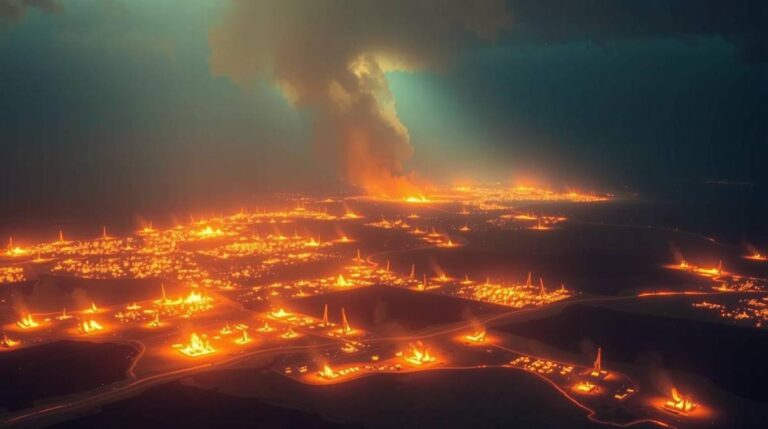
The news coming out of the Persian Gulf over the past two weeks has been unlike anything energy markets have seen since the 1973 oil embargo. Refineries in Saudi Arabia, Kuwait, Qatar, the UAE and Bahrain are either burning, shuttered or operating at dramatically reduced capacity. The world's largest LNG export facility at Ras Laffan in Qatar has gone dark. The Strait of Hormuz, through which approximately 20% of the world's seaborne oil and the bulk of Qatari gas flows, is effectively closed to normal maritime traffic. Oil is pushing toward $93 a barrel. European gas prices have surged to four-year highs.