Physical Address
304 North Cardinal St.
Dorchester Center, MA 02124
Physical Address
304 North Cardinal St.
Dorchester Center, MA 02124


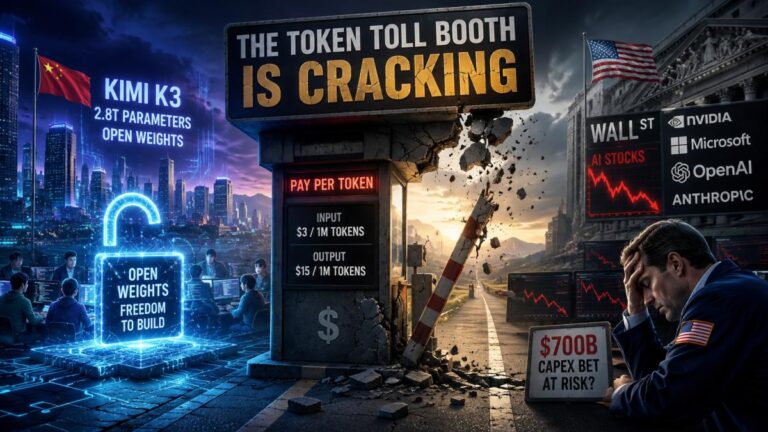
Wall Street has a short memory, but not that short. When Beijing-based Moonshot AI released its Kimi K3 model on July 16, traders didn't need the parallel explained to them. AI and semiconductor stocks sold off sharply as the phrase "DeepSeek moment" ricocheted across trading desks, recalling January 2025, when a then-obscure Chinese lab wiped out one of the largest single-day market-value losses in history by demonstrating that frontier AI could be built for a fraction of American budgets.
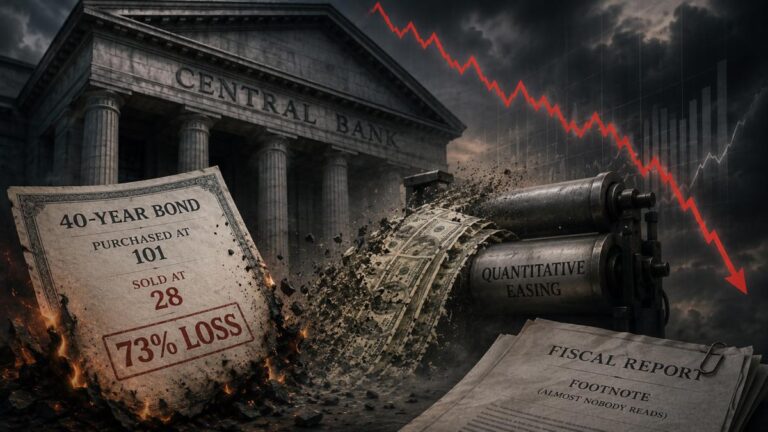
Imagine a fund manager who bought a 40-year bond at 101 and sold it at 28, locking in a 73% loss. Now imagine that manager did this not once but systematically, across a portfolio worth hundreds of billions, using money conjured from nothing — and then sent you the bill. You would expect a scandal. Instead, you get a footnote in a fiscal report that almost nobody reads.
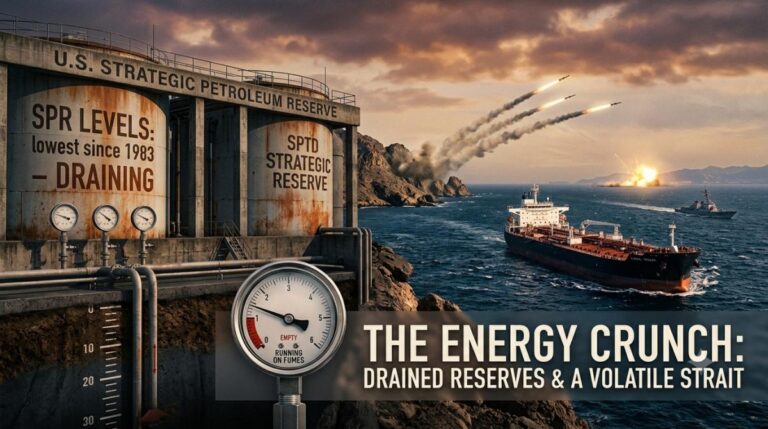
America's emergency oil stockpile has been drained to levels not seen in 43 years. The Strait of Hormuz is once again a shooting gallery. And until this week, crude oil traded as if none of it mattered.
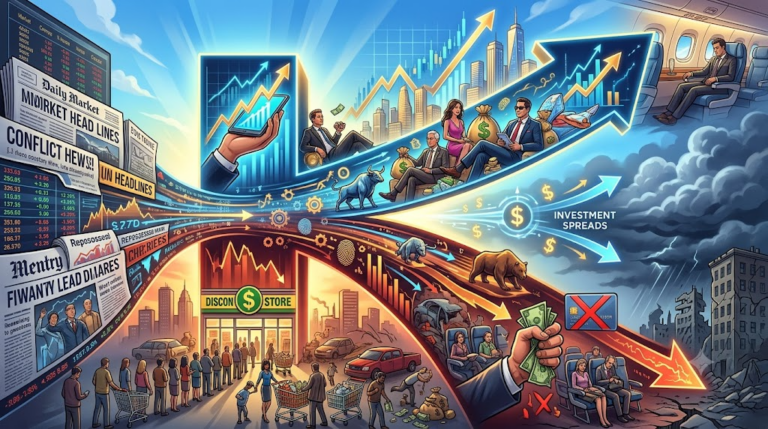
Every major financial outlet has now published its version of the same story. Markets are at records, households are struggling, and the gap between the two keeps widening. The explanation phase of this narrative is over. When CNBC, Goldman Sachs, Fortune and CNN are all running the identical theme in the same month, the disconnect itself is fully priced as a talking point.
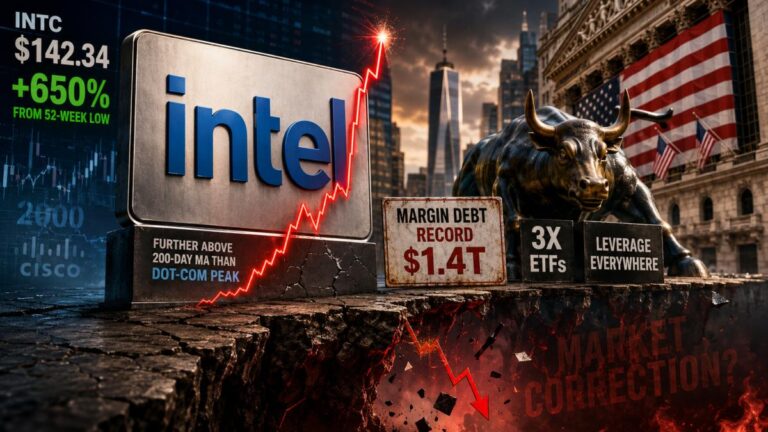
There's a particular kind of market moment that only becomes obvious in hindsight: the point at which good news stops lifting prices and starts confirming that everything achievable has already been achieved. We may be living through one of those moments right now — and the clearest tell isn't hiding in an obscure credit spread or a yield curve model. It's sitting in plain sight, wearing a name every investor over forty grew up with: Intel.
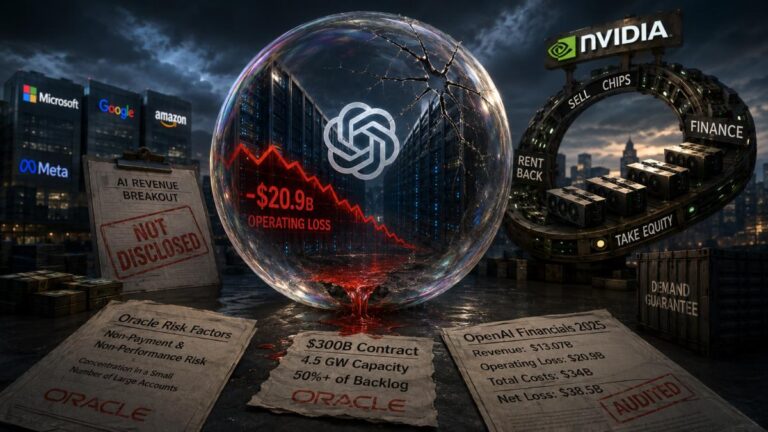
Last month we asked whether the AI bubble debate was missing the point on both sides. That article was about price: concentration, circular financing, and the gap between valuations and cash flows. The weeks since have handed the market something more fundamental to chew on. A set of leaked, audited financials
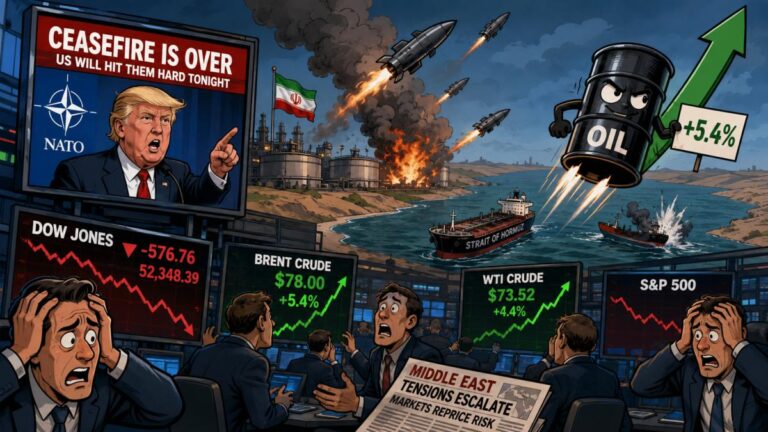
Three weeks ago, this blog argued that the market had priced a 60-day memo as permanent peace. The core claim was simple: crude had stripped out its entire war premium on the strength of an interim ceasefire document that deferred every hard question, while one of the parties was still visibly launching strikes. The metaphor we used was a market that had stopped paying for fire insurance while someone was still walking around the building with a lighter.
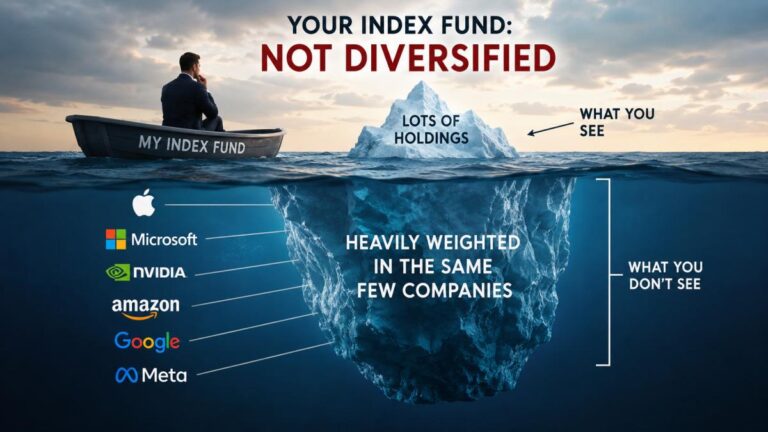
You bought an S&P 500 index fund because you wanted diversification. Five hundred companies across every sector of the American economy. A broad, safe, hands-off approach to building wealth over time. That is the promise, and for decades it delivered. But as of April 2026
In the space of forty-eight hours this week, two events took place on opposite sides of the Atlantic that almost nobody in mainstream financial media has connected. On June 30, a consortium of more than 140 of the largest payment, banking, and technology companies on the planet announced a new digital dollar.
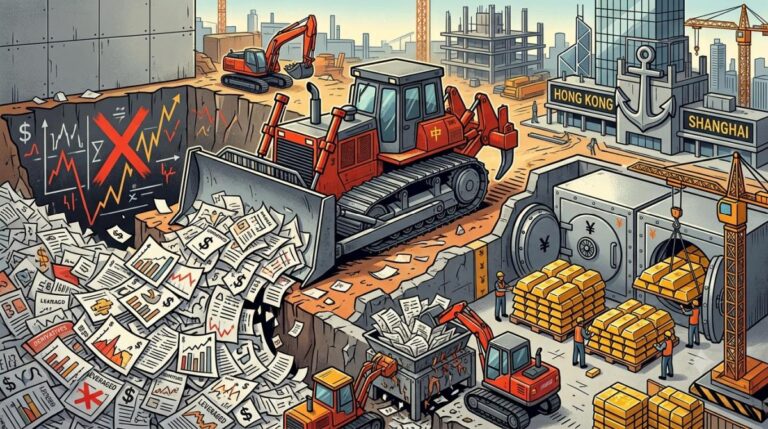
On July 24, retail gold trading through some of China's largest banks goes dark. If you are a Chinese citizen who buys and sells gold through your banking app, your access gets switched off. This is not a rumor or a forecast. The Industrial and Commercial Bank of China, the largest bank on earth by assets, announced it will stop...