Physical Address
304 North Cardinal St.
Dorchester Center, MA 02124
Physical Address
304 North Cardinal St.
Dorchester Center, MA 02124

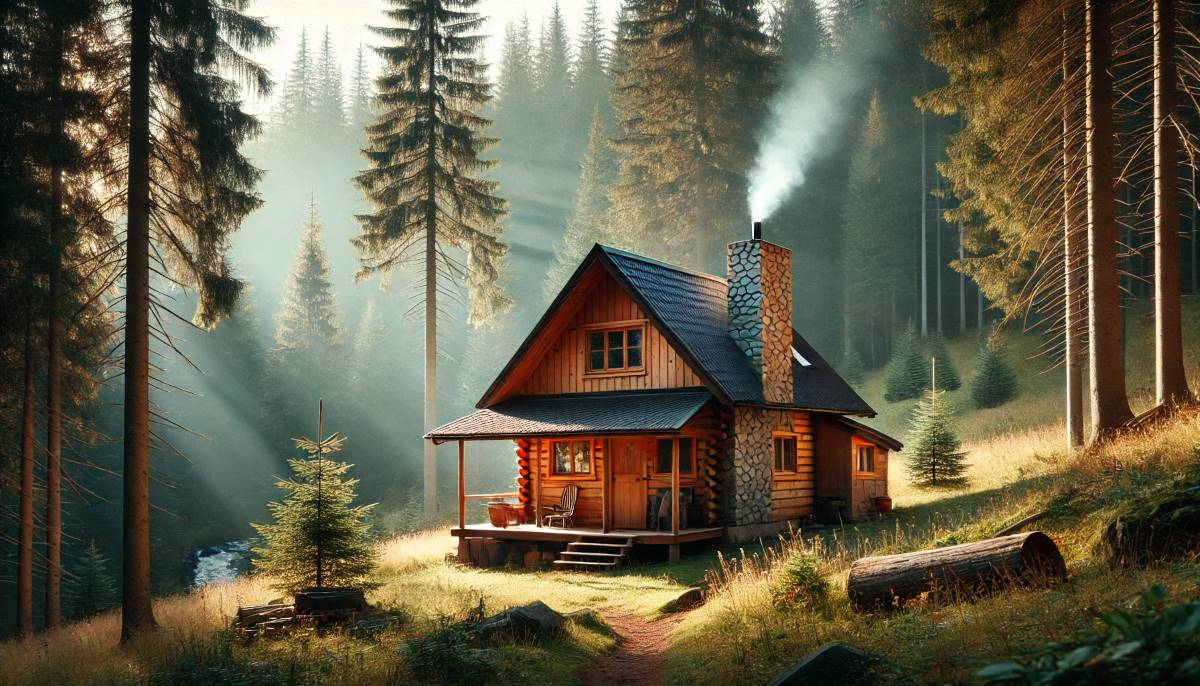
Whether you’re looking at a rural homestead or an urban bug-out location, proximity to essential resources is paramount. Water, food, and fuel should all be considerations. A property near a natural water source, such as a river, lake, or even a well, is invaluable for both day-to-day needs and long-term survival.
In a world that feels increasingly unstable, the mindset of preparedness, or “prepping,” has gained significant traction. Whether it’s the threat of economic collapse, natural disasters, or geopolitical conflicts, people are seeking ways to secure their futures in the face of uncertainty. While some stockpile food, water, and essential supplies, others recognize the importance of a more sustainable, long-term strategy—investing in real estate.
But not just any real estate. Preppers are looking for properties that offer more than just a roof over their heads. They seek land and homes that can provide safety, self-sufficiency, and sustainability when the world around them seems to crumble. The idea is simple: when systems break down—be it financial, societal, or environmental—your property should be your sanctuary, a place where you can live, thrive, and protect your loved ones.
Imagine this: it’s a quiet, cool morning in a rural valley. The only sounds are the birds chirping and the soft rustle of the wind through the trees. In the distance, a small stream flows—your property’s water source. You’ve got a garden that’s ripe with vegetables, a secure home stocked with essentials, and maybe even solar panels quietly soaking up the sun. In a world of chaos, your piece of real estate offers you peace, control, and, above all, the ability to survive.
Investing in real estate for preppers isn’t just about owning property; it’s about owning security. It’s about creating a space that can sustain you, not just in financial terms, but in ways that help you weather whatever storms may come. In this article, we’ll explore how preppers can strategically invest in real estate to secure their future in uncertain times, focusing on the key factors that make certain properties the best fit for a prepping lifestyle.
Real estate has long been viewed as a stable and tangible asset, a cornerstone of any serious investment portfolio. But for preppers, its value goes far beyond traditional financial returns. In a world where money might lose its worth, where systems can fail, and when crises hit hard, real estate becomes more than just an investment—it becomes a lifeline.
Unlike other assets—stocks, bonds, or even gold—land cannot be lost in a market crash, hacked from an account, or devalued overnight by an unpredictable economy.
Think of real estate as the foundation of your prepper strategy, quite literally. It’s the solid ground under your feet, the place where you can build not only shelter but self-reliance. Unlike other assets—stocks, bonds, or even gold—land cannot be lost in a market crash, hacked from an account, or devalued overnight by an unpredictable economy. It remains yours, a physical and enduring asset that holds intrinsic value.
But there’s more to real estate for preppers than just its physicality. The right property can offer:
But let’s dive deeper. What makes a piece of real estate truly prepper-friendly? What factors should you be looking for when considering this kind of investment?
As the old real estate saying goes, “location is everything.” This is especially true for preppers. The location of your property can mean the difference between a safe haven and a vulnerability. Here’s why:
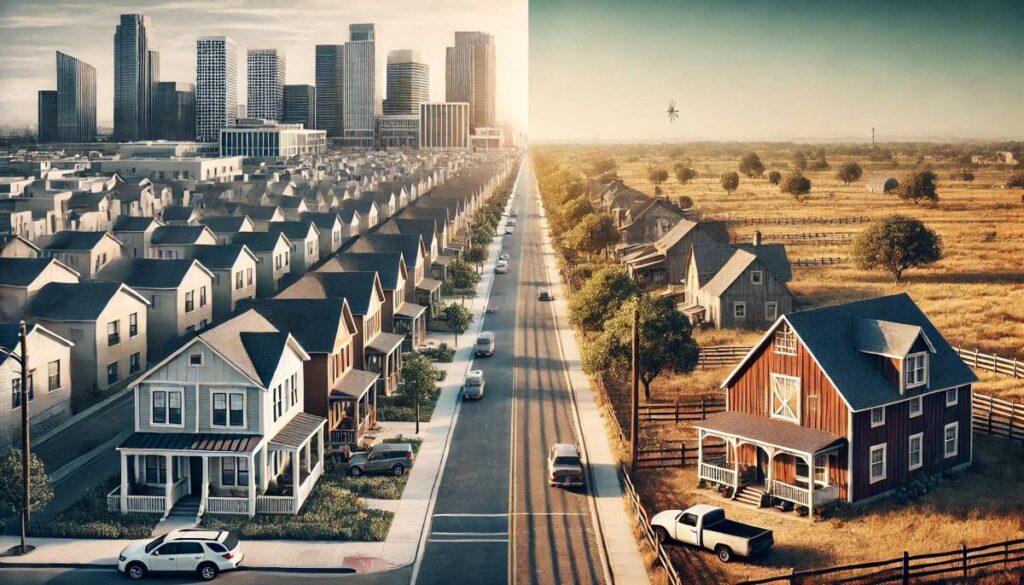
When you think about a prepper’s ideal property, your mind probably jumps to rural land—sprawling fields, remote cabins, and the kind of isolation that allows for privacy and control. And while rural areas certainly offer many advantages, such as space for farming and distance from urban dangers, they come with their own set of challenges.
For instance, rural properties often have limited access to emergency services, such as medical care or fire response. Roads may be less maintained, and you may face greater isolation during a crisis, particularly if you lack community ties in the area. A remote property may be perfect for hiding away, but it can also make you more vulnerable to nature’s unpredictability, from harsh winters to wildfires. On the flip side, fewer neighbors might mean fewer threats in times of societal breakdown, and being far from urban centers can insulate you from riots or other unrest.
On the other hand, urban properties—especially those chosen with strategic foresight—have their own set of merits. For example, having a smaller “bug-out” property in or near a city can offer faster access to essential services, such as hospitals, markets, and utilities. You can think of it as a base where you can gather supplies or access resources before potentially retreating to a more secluded location.
Moreover, in cities, you might still have access to the remnants of government infrastructure or find it easier to trade or barter with other people in the event of an economic collapse. The challenge, of course, is that urban areas are typically more exposed to chaos, making security a higher concern. In these settings, choosing properties with reinforced structures, secure perimeters, or even those that blend into their environment without drawing attention can be a vital strategy.
Whether you’re looking at a rural homestead or an urban bug-out location, proximity to essential resources is paramount. Water, food, and fuel should all be considerations. A property near a natural water source, such as a river, lake, or even a well, is invaluable for both day-to-day needs and long-term survival. Similarly, having arable land to grow food or access to natural fuel sources like wood or solar energy can be game-changers in an off-grid lifestyle.
Yet, not all natural surroundings are friendly. Some locations might expose you to frequent natural disasters—earthquakes, floods, hurricanes, or tornadoes—so understanding the climate and disaster risks of your potential property is crucial. Imagine investing in a beautifully remote mountain property, only to realize that it’s in the path of annual wildfires, or a coastal home prone to flooding. Balancing resources with risk is a fundamental part of any prepper’s real estate strategy.
As you can see, there’s more to a prepper property than just finding a place off the beaten path. The ideal location is one that not only provides the means for survival but minimizes the threats you’ll face when the world shifts into chaos.
Beyond location, the features of the property itself play a critical role in its prepper potential. Let’s look at some of the most important elements:
For many preppers, the dream is to live off the land—to grow food, raise livestock, and be as self-sufficient as possible. The size and quality of the land you invest in are crucial to achieving this goal. A large parcel gives you room to farm, build greenhouses, and set up necessary infrastructure like barns, workshops, or alternative energy systems.
However, bigger doesn’t always mean better. It’s equally important to assess the quality of the land. Is the soil fertile enough for farming? Is the terrain manageable for setting up infrastructure? For instance, steep, rocky land may look scenic but can be impractical for agriculture or construction. Knowing what your property is capable of producing, and how much effort will be required to maintain it, should factor heavily into your decision.
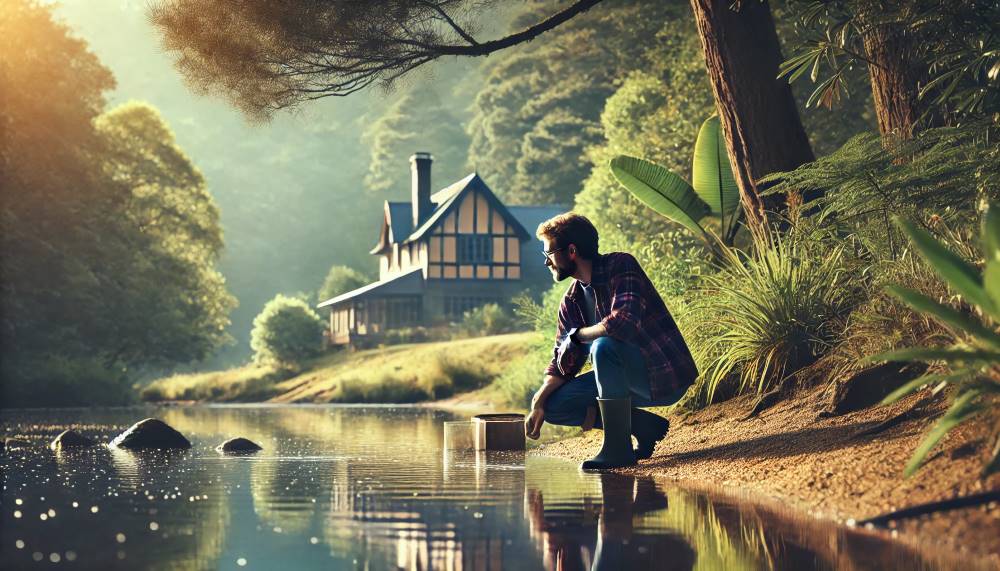
Water is life. Any prepper property without a reliable water source is a potential disaster waiting to happen. Whether it’s a well, a natural spring, a nearby river, or even rain catchment systems, access to water should be one of your top priorities when evaluating land.
In a crisis, when municipal water services may be cut off or contaminated, having an independent, clean, and renewable water supply can mean the difference between surviving and thriving. Additionally, consider how you will store water—having the means to collect and purify rainwater or stream water is a smart backup strategy.
The ultimate goal for many preppers is off-grid living. This means being independent from public utilities, including electricity, water, gas, and sewage systems. Properties that already have solar panels, wind turbines, or even geothermal heating systems in place are highly desirable because they reduce the work needed to set up sustainable living conditions.
If a property has enough natural resources to support off-grid systems, you’re well on your way to achieving true self-reliance.
Look for properties that have enough sunlight to support solar power, consistent wind for turbines, or access to wood for heating. If a property has enough natural resources to support off-grid systems, you’re well on your way to achieving true self-reliance.
Owning the perfect prepper property isn’t just about the physical land. Understanding the legal environment in which the property exists is just as important.
Zoning laws dictate what you can and cannot do on your land, and building codes regulate the types of structures you can erect. For instance, some areas might restrict farming activities or prohibit the construction of alternative housing like tiny homes or off-grid shelters.
Before you invest, make sure the property’s zoning aligns with your goals. You don’t want to find out after the fact that your county has banned rainwater collection or limits the size of the structure you’re allowed to build.
One often overlooked aspect of buying land is water and mineral rights. Just because you own the land doesn’t mean you automatically own the rights to the resources beneath it. In some areas, these rights are sold separately, and you could find yourself without legal access to your own water supply or unable to mine natural resources.
Ensure that the property comes with both water and mineral rights so that you’re not surprised down the road by legal disputes or restrictions.
Now that we’ve covered the essential features of a prepper property, let’s explore the different types of real estate investments that align with the prepping philosophy.
Rural land is often the first choice for preppers because of the space it offers for farming, self-sufficiency, and privacy. Large tracts of rural land allow for gardens, livestock, and the development of renewable energy systems, making it easier to create a fully off-grid, self-sustaining homestead.
However, rural properties come with challenges. The isolation that makes them attractive can also mean fewer services, longer travel distances for supplies, and limited access to medical or emergency support.
While the idea of a rural escape is appealing, some preppers prefer the convenience of urban or suburban properties. These “bug-out” properties are usually smaller, secondary locations that serve as an initial base during a crisis, offering quick access to supplies, medical care, and infrastructure.
Urban properties, though more exposed to societal unrest, can still serve as valuable investments if they are chosen carefully. Look for homes in quieter, low-crime neighborhoods or properties with features like reinforced structures or discreet locations.
For those seeking flexibility and cost-effectiveness, tiny homes or mobile living solutions such as RVs or converted buses offer a minimalist yet practical approach. These homes can be built to be completely off-grid, using solar power and composting toilets, and can be easily moved if needed.
However, the legal and logistical challenges of mobile living—such as finding permanent land or dealing with zoning restrictions—should be thoroughly researched before committing.
For the extreme prepper, investing in underground shelters or bunkers offers maximum security. These structures are designed to withstand natural disasters, nuclear fallout, and even armed conflict.
The downside? Bunkers are often expensive to build or buy and may not offer the same quality of life as a traditional home. However, for those who prioritize safety above all, this may be the ultimate investment.
Once you’ve decided on the type of property, it’s time to think about how to invest in it. There are multiple approaches to investing in prepper real estate, each with its own benefits and drawbacks.
Direct ownership offers the most control and flexibility, but it also requires significant upfront investment and ongoing maintenance. This option is ideal for preppers who want to live on their property full-time or use it as a retreat in times of crisis.
If you’re interested in real estate but not in direct ownership, REITs offer an alternative. Some REITs focus on rural land, agricultural properties, or other niche markets that align with prepping philosophies. This option allows for real estate investment without the hands-on responsibilities of property management.
Crowdfunding platforms allow multiple investors to pool their resources to purchase larger properties. This could be a way to invest in larger prepper-friendly properties without the full financial burden. However, this approach offers less control over the property and how it’s used.
Another investment strategy is to develop or purchase land with the goal of creating a prepper-friendly community. These communities are designed with survival in mind, often featuring shared resources like water, energy, and security.
For preppers, the primary goal is often survival and security. However, it’s possible to combine these objectives with the pursuit of financial returns. Properties that are well-maintained, have resources like water and land, and are in strategic locations will not only provide peace of mind but may appreciate in value over time. Some preppers choose to generate income from their properties through farming, renting out sections of the land, or offering space for community gatherings and workshops.
No matter how solid your real estate investment is, it’s never wise to put all your eggs in one basket. Diversifying your investments—across different types of properties, geographic locations, and even asset classes—can help you weather various economic and environmental storms. Consider pairing your real estate investments with other prepper staples, such as precious metals, cryptocurrencies, or food storage.
In uncertain times, real estate can offer more than just financial stability—it can provide safety, self-sufficiency, and peace of mind. Whether you’re looking for a rural homestead, an urban retreat, or a mobile solution, the right property is out there, waiting to become the foundation of your prepping strategy. By considering location, property features, legal aspects, and investment approaches, you can secure your future and protect your loved ones in the face of any crisis.
Remember, prepping is not about paranoia—it’s about preparation. A well-chosen real estate investment isn’t just a bet against the future; it’s a safeguard for whatever may come.
For those interested in learning more about prepper real estate and investment strategies, here are some excellent books and websites: