Physical Address
304 North Cardinal St.
Dorchester Center, MA 02124
Physical Address
304 North Cardinal St.
Dorchester Center, MA 02124

The recent announcement by Finnish technology firm Donut Lab regarding its production-ready solid-state battery technology marks a potential turning point for the global energy landscape. If the specifications revealed at CES 2026 are accurate, the transition from liquid-electrolyte lithium-ion cells to solid-state chemistry is no longer a distant laboratory dream but an immediate industrial reality. With claims of 400 Wh/kg energy density, five-minute full charging, and a staggering 100,000-cycle lifespan, the repercussions for the energy sector worldwide would be profound, affecting everything from geopolitical mineral dependencies to the architecture of national power grids.
The recent announcement by Finnish technology firm Donut Lab regarding its production-ready solid-state battery technology marks a potential turning point for the global energy landscape. If the specifications revealed at CES 2026 are accurate, the transition from liquid-electrolyte lithium-ion cells to solid-state chemistry is no longer a distant laboratory dream but an immediate industrial reality. With claims of 400 Wh/kg energy density, five-minute full charging, and a staggering 100,000-cycle lifespan, the repercussions for the energy sector worldwide would be profound, affecting everything from geopolitical mineral dependencies to the architecture of national power grids.
For over a decade, the primary barriers to the mass adoption of electric vehicles have been range anxiety and the time required for charging. Donut Lab’s technology addresses both simultaneously. An energy density of 400 Wh/kg represents a nearly 50 percent improvement over the best current lithium-ion cells found in premium electric cars. This allows manufacturers to either offer vehicles with 600 miles of range or maintain current ranges while drastically reducing vehicle weight. Lighter vehicles require less energy to move, creating a virtuous cycle of efficiency that reduces the total demand on the energy grid per mile driven.
Even more significant is the five-minute charging claim. This speed brings the electric vehicle experience into direct parity with traditional internal combustion engine refueling. If a driver can add 300 miles of range in the time it takes to buy a coffee, the need for a massive, ubiquitous network of slow chargers at every residential street corner diminishes. Instead, the energy sector would see a shift toward high-capacity, ultra-fast charging hubs that mirror the current gas station model but with significantly higher power requirements. This would necessitate a massive upgrade in local distribution transformers to handle the surge in peak demand during these rapid-charge events.
One of the most disruptive claims from the Donut Lab announcement is that these batteries are manufactured using globally abundant, affordable, and geopolitically safe materials. The current battery supply chain is heavily reliant on a few specific regions for lithium, cobalt, and nickel, often involving complex and ethically fraught supply lines. China currently dominates the processing of these minerals, giving it significant leverage over the global transition to green energy.
A shift to a battery chemistry that avoids rare or sensitive elements would effectively democratize energy storage production. If the “Donut Battery” can be produced using common industrial minerals available in Europe, North America, and other regions, the strategic importance of current mineral-rich hotspots would decline. This would allow nations to build domestic battery industries without the fear of supply chain weaponization or price volatility in the rare-earth markets. The energy sector would move from a model of resource scarcity to one of manufacturing excellence, where the primary competitive advantage is the efficiency of the factory rather than access to the mine.
Perhaps the most overlooked but impactful statistic in the Donut Lab reveal is the 100,000-cycle lifespan. To put this in perspective, a battery cycled once per day would last for over 273 years before needing replacement. Current lithium-ion batteries used in grid-scale storage typically last for 3,000 to 5,000 cycles, meaning they must be replaced every 10 to 15 years.
If this longevity is verified, it fundamentally changes the economics of renewable energy. The largest challenge for solar and wind power is intermittency: the sun does not always shine and the wind does not always blow. To solve this, the world needs massive amounts of stationary storage. With a 100,000-cycle battery, the capital expenditure of building a grid-scale storage facility could be amortized over many decades rather than a single decade. These batteries would become permanent infrastructure, much like a hydroelectric dam or a bridge, rather than a consumable industrial component. This would drive the cost of “firming” renewable energy to record lows, likely making solar plus storage the cheapest form of electricity in history by a wide margin.
While passenger cars are the most visible application, the energy sector’s biggest challenge lies in heavy transport, shipping, and aviation. Traditional lithium-ion batteries are often too heavy and energy-light for long-haul trucking or regional flight. Donut Lab is already partnering with companies like Cova Power to create smart trailers that can reduce diesel consumption by over 50 percent through integrated electric propulsion.
The high energy density of 400 Wh/kg combined with extreme safety (the lack of flammable liquid electrolytes) makes solid-state technology a viable candidate for short-to-medium-range aviation. Electric vertical take-off and landing (eVTOL) aircraft and regional commuter planes require high power output and high safety margins. If a battery is truly immune to thermal runaway, as Donut Lab claims, the certification hurdles for electric flight become significantly lower. This would trigger a shift in the transportation energy sector, moving a portion of the jet fuel market toward the electric grid, further increasing the total global demand for renewable electricity.
Battery fires have remained a persistent concern for both consumers and insurers. The liquid electrolytes in standard batteries are flammable, and a “thermal runaway” event—where a single cell failure leads to a chain reaction—can result in fires that are notoriously difficult to extinguish. Donut Lab’s all-solid-state design removes the liquid electrolyte entirely.
This intrinsic safety has a ripple effect through the entire energy infrastructure. It allows for the structural integration of batteries into vehicle chassis or even building walls without the need for heavy, expensive fire-suppression systems. In the energy sector, this means home storage units (like the Tesla Powerwall) could become safer and more compact, leading to higher adoption rates for residential solar-plus-storage systems. As more homes become their own mini-power plants, the traditional centralized utility model will face further pressure to evolve into a decentralized, “smart grid” architecture.
If the Donut Battery truly costs less to manufacture than current lithium-ion cells, the displacement of the internal combustion engine will happen much faster than most energy analysts have predicted. Most forecasts for the “peak oil” demand are based on the gradual decline of battery prices. A sudden, vertical drop in costs—combined with superior performance—would pull that peak forward by years or even a decade.
For the energy sector, this means the demand for oil for road transport could collapse more rapidly than refinery capacity can adjust. This could lead to extreme volatility in the oil markets as the industry struggles to scale down. Conversely, the demand for electricity would skyrocket. The International Energy Agency (IEA) has already noted that batteries are the “linchpin” of the energy transition, but the Donut Lab breakthrough would turn that linchpin into a high-speed engine of change.
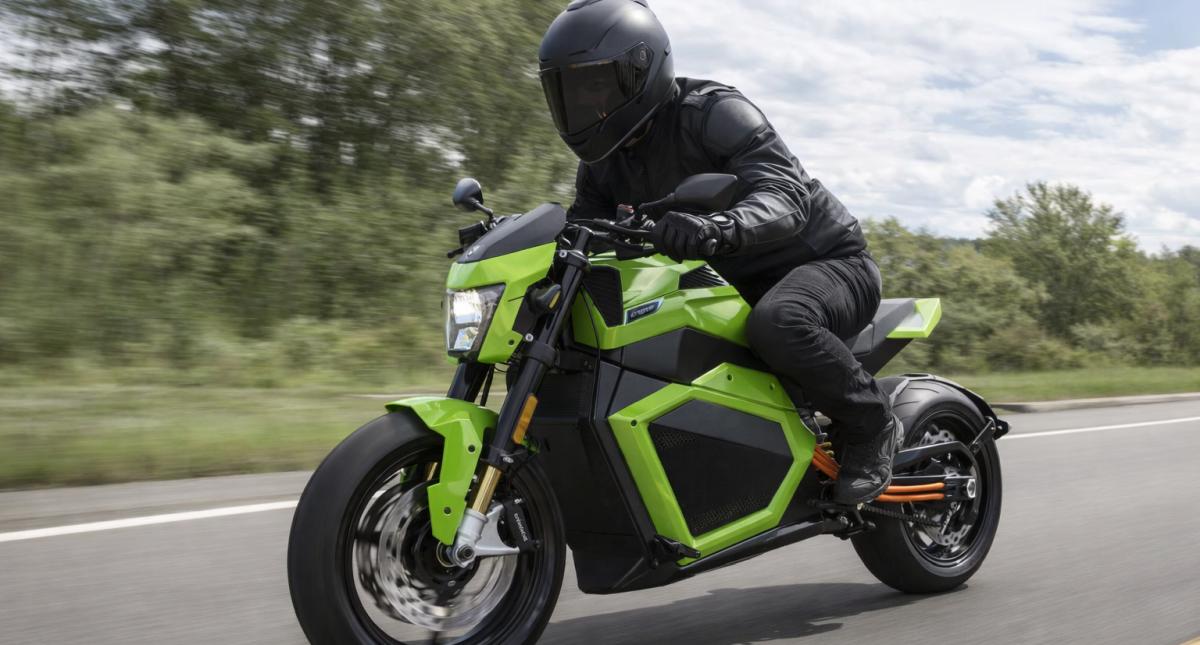
The claims made by Donut Lab are bold and, if proven true in the coming months as Verge Motorcycles hit the road, will represent the single greatest leap in energy technology since the invention of the lithium-ion battery itself. We are looking at a future where energy is not just cleaner, but more abundant, more reliable, and more domestically secure. The 100,000-cycle battery might be the missing piece of the puzzle that finally allows the global energy sector to move beyond the carbon era and into a sustainable, electrified future.
For more information on the technological specifications, you can visit the Donut Lab official site. To see the first real-world application of this technology, explore the Verge Motorcycles TS Pro. Furthermore, the IEA report on batteries and secure energy transitions provides vital context on why these breakthroughs are essential for global climate goals.
Donut Lab Solid-State Battery Reveal This video provides the official announcement and visual breakdown of the solid-state battery technology mentioned in the article, including its performance specs and the CEO’s explanation of its production readiness.