Physical Address
304 North Cardinal St.
Dorchester Center, MA 02124
Physical Address
304 North Cardinal St.
Dorchester Center, MA 02124

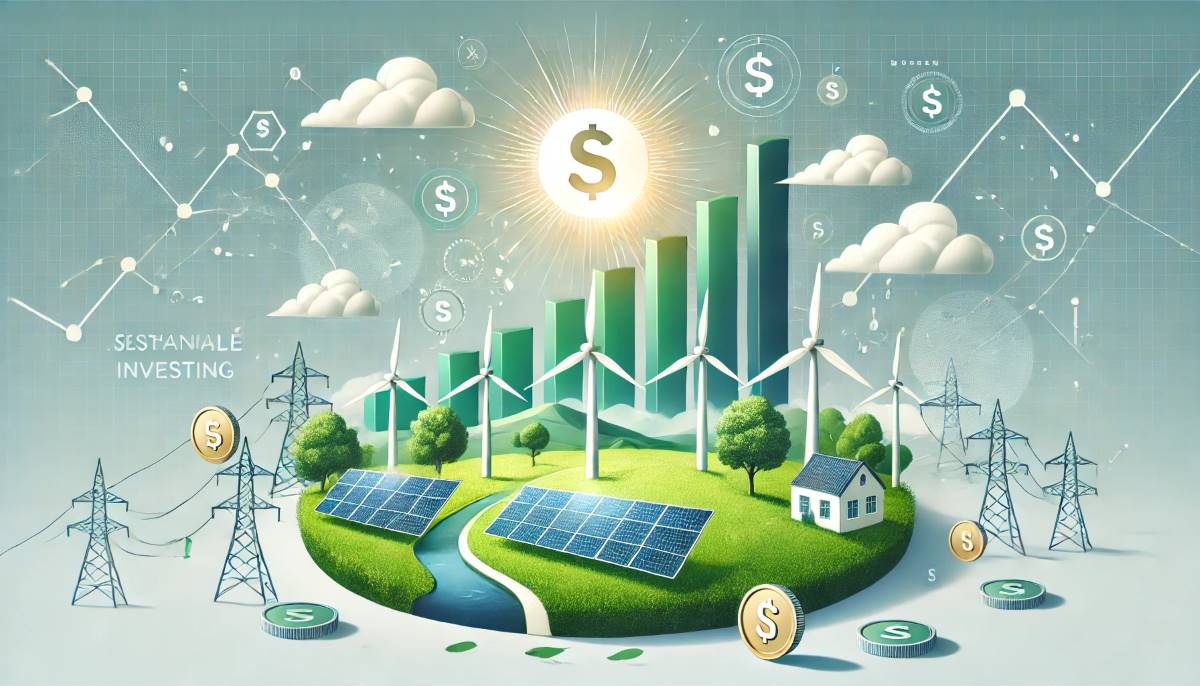
What if your investment portfolio could minimize the effect on the climate while also generating impressive returns? Imagine a future where every dollar you invest is not only growing but also fueling the development of a more sustainable planet. This is not just wishful thinking or a feel-good scenario. It’s the exciting reality of ethical investing in sustainable energy.
Sustainable energy is no longer a niche market or a utopian dream. It’s a booming industry, projected to reach a market size of nearly $1.4 trillion by 2030. The push toward clean energy is driven by global climate policies, technological advancements, and shifting consumer preferences toward greener options. Investors are starting to realize that aligning their financial strategies with these trends can pay off—not just morally, but financially.
If you’re concerned about an uncertain financial future, the combination of ethical values and smart investment strategies offers a powerful way to secure your portfolio while contributing to the health of the planet. In this post, we’ll explore the sustainable energy investment landscape, the options available to you, and how to build a future-proof portfolio that aligns with your environmental and financial goals.
Investing in sustainable energy can feel like trying to navigate a rapidly shifting terrain, where every step forward is influenced by technological breakthroughs, evolving policies, and market forces. But imagine this journey like preparing for a cross-country road trip. You know where you want to end up—financial security and a greener world—but the path might seem complex. You’ll need the right tools, a clear understanding of the road ahead, and some awareness of potential detours or hazards.
Let’s begin by understanding the lay of the land.
When we talk about sustainable energy investments, we’re not just focusing on a single sector. It’s more like a diversified ecosystem, where different technologies and companies work together to reduce humanity’s carbon footprint. Each of these sectors offers unique opportunities for growth, with some already showing explosive progress and others poised for future breakthroughs.
Solar energy is the cornerstone of the clean energy revolution, with technology costs dropping sharply over the past decade. Investing in solar companies can feel like planting a tree that you know will bear fruit for decades to come. Companies like First Solar and SunPower are leading the charge, capitalizing on a global shift toward decentralized, renewable power generation. Think of solar as the sun constantly rising on your investment horizon, with bright prospects as far as the eye can see.
Wind turbines have become a familiar sight across many countries, and they represent one of the most scalable and mature renewable energy sources. Companies like Vestas and Siemens Gamesa harness the power of the wind, turning gusts into electricity. Investing in wind energy feels a bit like putting your money into the hands of an ancient force, one that’s as reliable as the trade winds and as infinite as the breeze on a summer day.
This is one of the oldest forms of renewable energy, yet it continues to play a critical role in many regions. Companies focusing on hydroelectric power often work on a larger scale, managing dams and water flows to generate consistent energy. It’s the steady, reliable counterpart to the more variable outputs of solar and wind.

Geothermal power, which taps into the Earth’s internal heat, represents a smaller but growing portion of the sustainable energy mix. While the technology isn’t as widespread as solar or wind, it offers immense potential in specific geographies, making it a fascinating (and sometimes underappreciated) area of investment.
As the world shifts to more renewable energy, the question of how to store this energy efficiently becomes critical. Energy storage solutions, particularly in the form of advanced batteries, are like the safes where all your renewable energy is stored for a rainy day (or a cloudy one, in the case of solar power). Tesla, with its Powerwall, is just one example of a company bridging the gap between energy generation and consumption.
This diverse mix of energy sectors represents a substantial opportunity for investors, particularly as the market is expected to expand significantly over the coming years. The International Energy Agency projects that by 2030, renewable energy will account for more than 60% of new power generation capacity globally.
The growth isn’t just driven by environmental concerns. It’s also being accelerated by the falling costs of technology. In the solar industry, for instance, the cost of photovoltaic panels has dropped by over 80% since 2010, making solar one of the most competitive energy sources. Meanwhile, innovations in energy storage are poised to solve one of the major limitations of renewables: the intermittency of energy supply.
What’s fueling this expansion? Several key drivers are at play, and understanding them is crucial to making informed investment decisions.
Of course, no investment is without risk. Like any evolving industry, the sustainable energy sector comes with its own set of challenges. Regulatory shifts, such as changes in government policies or subsidies, can impact the profitability of renewable energy projects. Additionally, some technologies are still in their infancy, meaning they may be vulnerable to setbacks or competition from other innovations.
There’s also the risk of market volatility. Renewable energy stocks, like all equities, can experience significant fluctuations. Investors should be prepared for a long-term commitment, as the path to widespread adoption of sustainable energy can be unpredictable.
But these risks also come with the potential for high rewards, especially for those willing to invest in the future of energy and ride out short-term fluctuations.
Once you’ve decided to invest in sustainable energy, the next step is choosing how you want to structure your investments. Luckily, there are many options available, ranging from individual stocks to mutual funds. Think of these vehicles as your tools to navigate the sustainable energy landscape. Whether you prefer hands-on management or want a more passive approach, there’s something for every type of investor.
For those who enjoy the process of researching companies and hand-picking stocks, investing in individual companies can be an exciting and potentially rewarding approach. Solar companies like First Solar or Enphase Energy offer opportunities to capitalize on solar power’s meteoric rise, while wind energy giants like Vestas or Siemens Gamesa dominate in the wind turbine market. If energy storage catches your eye, companies such as Tesla or NextEra Energy are making substantial investments in battery technology, which is essential for stabilizing renewable energy supply.
Investing in individual stocks is like being a sculptor, shaping your portfolio piece by piece, with the advantage of customizing it to your preferences. However, it’s also riskier, as the success of your investments is tied to the performance of specific companies.
For investors who want broad exposure to sustainable energy without the pressure of selecting individual stocks, exchange-traded funds (ETFs) are a great option. Funds like the iShares Global Clean Energy ETF (ICLN) or the Invesco Solar ETF (TAN) offer diversified exposure to companies in the renewable energy sector. These ETFs cover a broad range of companies, reducing the risk of betting on a single player.
Think of ETFs as ready-made baskets of energy stocks. They are designed to spread your risk across many companies, while still keeping your portfolio focused on sustainable energy. Plus, they often come with low expense ratios, making them a cost-effective option for long-term investors.
Mutual funds, like the Fidelity Environment and Alternative Energy Fund (FSLEX), pool money from many investors to invest in a diversified portfolio of sustainable energy companies. Like ETFs, they offer broad exposure but are actively managed, meaning that a team of experts makes investment decisions on your behalf. This approach is perfect if you prefer to entrust professionals with the complex work of stock selection.
Green bonds are another fascinating vehicle for ethical investors. These are fixed-income investments aimed at funding projects with environmental benefits, like wind farms or solar energy facilities. They are lower risk compared to stocks and can offer a steady return, making them ideal for conservative investors seeking to balance their portfolios with less volatile options.
For those willing to take on more risk for potentially higher returns, crowdfunding platforms like Raise Green allow you to directly invest in renewable energy projects. It’s an exciting and personal way to support sustainable energy initiatives that align with your values. Similarly, private equity investments allow for direct ownership stakes in energy companies or projects. However, these options typically require a larger financial commitment and are less liquid than stocks or ETFs.
YieldCos are companies that own and operate renewable energy assets, such as wind or solar farms, and generate consistent cash flow from their operations. These companies often offer regular dividends, making them attractive to income-seeking investors. By investing in a YieldCo, you’re not just betting on the growth of renewable energy but also receiving a steady income stream, much like harvesting crops from your own renewable energy farm.
Now that you have an understanding of the different investment vehicles, let’s talk about how to evaluate these opportunities. This is where the art of ethical investing intersects with the science of financial analysis.
Like any investment, you’ll need to examine key financial metrics to determine whether a company is worth adding to your portfolio. Metrics such as price-to-earnings (P/E) ratio, debt levels, revenue growth, and profit margins can provide valuable insights into a company’s financial health. A high P/E ratio might indicate that a stock is overvalued, while steady revenue growth suggests strong future performance.
Beyond the financials, it’s essential to ensure that the company is truly contributing to a greener future. Look for companies that provide carbon offset metrics, which measure how much carbon their products or services prevent from being released into the atmosphere. Some companies publish sustainability reports or have earned environmental certifications such as the ISO 14001, which ensures they meet high environmental management standards.
This kind of evaluation ensures that you’re not just investing in profitable companies but also in those making a measurable impact on reducing the world’s carbon footprint.
A company’s leadership plays a critical role in its long-term success. Does the management team have a track record of success? Are they known for innovation? Evaluate their corporate governance practices, as a strong, ethical leadership team is more likely to steer the company in the right direction.
Finally, ensure that the company complies with all relevant environmental regulations and participates in government incentives for clean energy development. Companies that adhere to high regulatory standards are less likely to face fines or penalties, making them safer bets for long-term growth.
Building a sustainable energy portfolio is much like assembling a balanced meal: you want a mix of ingredients that together meet all your nutritional—or in this case, financial—needs. A well-diversified portfolio ensures that your investments are not overly reliant on any one sector or company, thus managing your risk.
A good rule of thumb is to allocate a percentage of your portfolio to different types of investments based on your risk tolerance. If you’re risk-averse, you might lean more heavily into green bonds or large-cap renewable energy companies. If you’re more aggressive, you might allocate a larger portion of your portfolio to up-and-coming innovators in the space or private equity projects.
Diversification means investing in multiple sectors within the sustainable energy space, from solar to wind to energy storage, to ensure you’re not overly exposed to the risks of any one market. Regular portfolio rebalancing is also important to adjust your investment mix as markets change.
Let’s take a look at some real-world examples that highlight the potential and pitfalls of investing in sustainable energy.
Tesla, originally a niche electric vehicle manufacturer, has now grown into a major player not only in the EV market but also in solar energy and battery storage. Those who invested in Tesla early on have seen astronomical returns, as the company continues to innovate and expand into new areas of sustainable energy.
On the other hand, the collapse of solar panel company Solyndra serves as a reminder that not every renewable energy investment will succeed. Despite receiving substantial government support, the company was unable to compete in the increasingly competitive solar market and declared bankruptcy in 2011. This highlights the importance of due diligence and not getting swept up by hype alone.
As you contemplate your next steps in building a sustainable, future-proof investment portfolio, remember that ethical investing in sustainable energy offers the unique opportunity to align your financial goals with your personal values. By investing in clean energy, you’re not just securing your financial future—you’re contributing to a brighter, cleaner world.
Now is the time to start. Begin by exploring the various investment vehicles available, perform due diligence on potential investments, and build a diversified portfolio that balances risk and reward. The future of energy is here, and by investing in it today, you can help power a better tomorrow.