Physical Address
304 North Cardinal St.
Dorchester Center, MA 02124
Physical Address
304 North Cardinal St.
Dorchester Center, MA 02124


The debate over homeownership versus renting has long been framed as a straightforward financial decision: is it better to invest in a home and build equity, or rent and invest the difference? While this question is valid, it often overshadows a more pressing issue: the growing wealth inequality that shapes housing markets and economic outcomes for millions. This article explores the financial pros and cons of both options while highlighting how systemic issues, such as asset price inflation and wealth concentration, complicate the decision. By examining the broader economic context, we aim to provide a clearer picture of what’s at stake for individuals and society.
The debate over homeownership versus renting has long been framed as a straightforward financial decision: is it better to invest in a home and build equity, or rent and invest the difference? While this question is valid, it often overshadows a more pressing issue: the growing wealth inequality that shapes housing markets and economic outcomes for millions. This article explores the financial pros and cons of both options while highlighting how systemic issues, such as asset price inflation and wealth concentration, complicate the decision. By examining the broader economic context, we aim to provide a clearer picture of what’s at stake for individuals and society.
Homeownership is often touted as a cornerstone of financial stability. The primary argument is that owning a home allows individuals to build equity over time, as mortgage payments gradually increase ownership of an appreciating asset. Unlike rent, which offers no return, mortgage payments can be seen as a forced savings mechanism. Historically, property values in many markets have risen, providing homeowners with wealth accumulation opportunities. For example, in the United States, the median home price increased from $198,000 in 2000 to $412,300 in 2023, according to the National Association of Realtors, offering significant returns for long-term owners.
Additionally, homeownership offers tax advantages in some countries, such as deductions for mortgage interest and property taxes. Fixed-rate mortgages provide payment stability, shielding owners from rent increases. Homeowners also gain intangible benefits, like the ability to personalize their living space and establish roots in a community. For many, these factors make owning a home a path to both financial security and personal fulfillment.
However, these benefits come with caveats. Homeownership requires a substantial upfront investment, including down payments, closing costs, and ongoing maintenance expenses. Property taxes, insurance, and unexpected repairs can strain budgets. Moreover, the financial advantage of homeownership depends on market conditions. If property values stagnate or decline, as seen during the 2008 housing crisis, homeowners may face losses or negative equity, where the home’s value falls below the outstanding mortgage.
Renting, on the other hand, offers flexibility and lower upfront costs. Renters avoid the financial burdens of property maintenance, taxes, and insurance, which are typically covered by landlords. This can free up cash for other investments, such as stocks, bonds, or retirement accounts. The “rent and invest the difference” strategy hinges on the idea that the money saved by avoiding homeownership costs can be invested in assets with potentially higher returns. For instance, the S&P 500 has historically delivered an average annual return of about 7% after inflation, compared to average home price appreciation of 3-5% annually.
Renting also suits those who value mobility, such as young professionals or those in dynamic job markets. It eliminates the risk of being tied to a property in a declining market or facing the transaction costs of selling a home, which can range from 5-10% of the sale price. However, renting has its downsides. Rent payments provide no equity, and in many urban markets, rents have risen sharply. According to Zillow, the median U.S. rent increased by 29% from 2015 to 2023, outpacing wage growth for many workers. Renters also face the uncertainty of lease renewals and potential evictions, which can disrupt financial planning.
The “invest the difference” strategy assumes discipline and sufficient income to save after covering rent and living expenses. For many, especially in high-cost cities, this is a challenge. After paying rent, utilities, and other necessities, little may remain for investment, undermining the financial argument for renting.
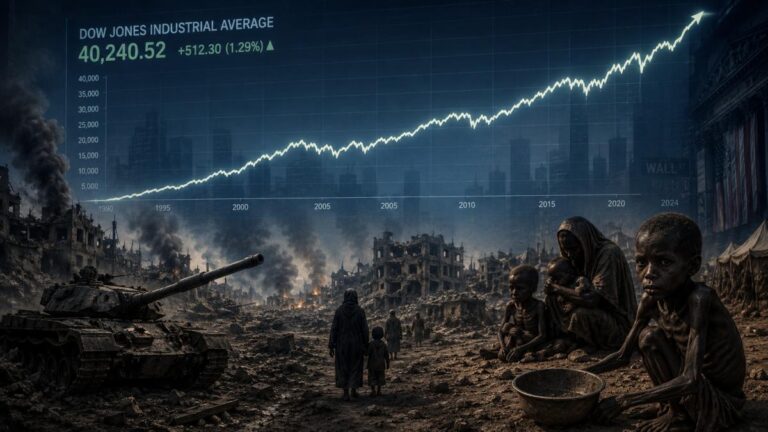
While the financial mechanics of homeownership and renting are important, they cannot be fully understood without addressing the broader economic context. Wealth inequality has surged in recent decades, reshaping housing markets and economic opportunities. The top 1% of households now hold over 30% of total wealth in the U.S., according to the Federal Reserve, while the bottom 50% hold just 2%. This concentration of wealth drives asset price inflation, particularly in housing.
When the ultra-wealthy invest heavily in real estate, either directly or through corporate entities, they push up property prices, making homeownership less attainable for the middle and working classes. This dynamic creates a feedback loop: rising home prices increase the wealth of existing owners, while those without assets—renters or younger generations—fall further behind. For example, a 2023 report from Redfin noted that investor purchases accounted for 18% of home sales in major U.S. markets, often outbidding individual buyers and inflating prices.
Even for homeowners, the benefits of rising property values are illusory in many cases. A higher home value only translates to usable wealth if the owner sells and relocates to a cheaper market or downsizes significantly. Otherwise, they remain in the same inflated market, facing higher property taxes and living costs. For their children, entering the housing market becomes increasingly difficult, as median home prices now require 40% of median household income for mortgage payments, compared to 20% in the 1980s.
Renting, meanwhile, channels wealth upward. Rent payments flow to landlords, who are increasingly institutional investors or wealthy individuals. Similarly, mortgage interest payments benefit banks and investors in mortgage-backed securities. Both renting and homeownership, in this sense, involve payments from the asset-poor to the asset-rich, reinforcing wealth disparities.
The housing market operates within what can be described as an “Asset Economy,” where demand for assets like real estate far outpaces demand for consumer goods and services. This is driven by the ultra-wealthy, who have amassed unprecedented wealth through investments, tax-advantaged policies, and economic interventions like quantitative easing. During the COVID-19 pandemic, global central banks injected trillions into economies, much of which flowed to asset markets. A 2021 study by the Economic Policy Institute found that the wealth of the top 1% grew by $6.5 trillion during the pandemic, largely through stock and real estate gains.
This asset inflation creates a paradox: while consumer price inflation (e.g., for groceries or gas) may remain moderate, asset prices, including homes, soar. Central banks often prioritize consumer inflation in their policies, leaving asset inflation unchecked. As a result, the wealthy accumulate more assets, while ordinary households struggle to afford homes or save for the future.
Interest rate hikes, intended to cool inflation, have had limited impact on housing markets. Wealthy buyers, less reliant on mortgages, continue to purchase properties, while low housing supply keeps prices elevated. When rates eventually fall, history suggests another surge in asset prices, as investors re-enter the market.
The homeownership versus renting debate is not just a personal financial choice; it’s a symptom of deeper systemic issues. To address these, policymakers must tackle wealth inequality head-on. Progressive taxation, such as higher taxes on wealth or capital gains, could redistribute resources and reduce asset hoarding. For example, in the 1950s and 1960s, higher tax rates on the wealthy coincided with a more equitable housing market, where homeownership was attainable for the middle class.
Housing-specific policies, like increasing affordable housing supply or limiting institutional investor purchases, could also help. Programs to assist first-time buyers, such as down payment assistance or low-interest loans, could bridge the gap for younger generations. Rent control and stronger tenant protections could stabilize costs for renters, enabling them to save and invest.
Individuals, meanwhile, must navigate the system as it exists. For some, homeownership may remain a viable path to wealth-building, particularly in stable or appreciating markets. Others may find renting and investing more practical, especially if they prioritize flexibility or live in high-cost areas. Regardless of the choice, understanding the broader economic forces at play—asset inflation, wealth concentration, and systemic inequities—is crucial.
The decision to buy a home or rent is deeply personal, shaped by financial circumstances, lifestyle preferences, and market conditions. However, it’s also inseparable from the broader issue of wealth inequality, which distorts housing markets and economic opportunities. Homeownership can offer stability and wealth-building potential, but it’s not a guaranteed win in an era of skyrocketing asset prices. Renting provides flexibility but often leaves individuals vulnerable to rising costs and limited savings.
Rather than focusing solely on personal financial strategies, we must confront the systemic forces driving inequality. By advocating for policies that tax wealth, increase housing supply, and protect tenants, we can create a fairer system where homeownership and renting are both viable paths to security. Until then, the debate over buying versus renting risks distracting us from the real challenge: building an economy that works for everyone, not just the ultra-wealthy.